A little known factoid, I sometimes write Amazon Book Reviews. It was a confluence of Amazon probing me to write reviews of purchases, an overload of bad (free) ebooks on my Kindle, and the rest is, shall we say—history.
OK, so now you know I have a Kindle, and a pipeline for free ebooks from the eReader Cafe and BookBub—and I've been an involuntary invalid. I've been known to read as many as four books in a day... Sometimes escape fiction is the ticket. However, I just can't believe there's so much bad escape fiction out there. In self defense, I'm doing something about it review, by review. Maybe it's also self-inflicted punishment for reading so much drivel. Cat-o-nine-tails. Reviewing books is not an easy writing form for me.
So far, I've over
I'm not one to write a fluffy review, I try to be fair. I also try to be entertaining, hopefully not at the cost of the author—but sometimes I wonder if most ebook authors have ever heard of spellcheck, let alone, editors.
At present, I am writing under the handle of MoH (it's a hot cross-pun on moh, and the mohs scale of mineral hardness). I'm awaiting to see if there's any kind of backlash—so far, so good. I may upgrade my Amazon user name to MoHurley. But the problem is that makes me traceable on Google—as that's also my Twitter handle. And I'm not sure if I want unwarranted attention. Amazon's a big place.
Moh (Sanskrit muh: “to become stupefied, to be bewildered or perplexed, to err, to be mistaken”) stands in ancient texts for perplexity or confusion as also for the cause of confusion, that is, avidya or ajnana (ignorance or illusion). In another context, it stands for “the snare of worldly illusion, infatuation. —WikiIf you so feel inclined, mosey on over to my Amazon Reviews, and if you like them, click on the Yes button. (You do need to have an Amazon account in order to participate, however...)
I still haven't gotten the generic title thing down. They're pretty sucky. I'm open to suggestions. I also have trouble entitling poems as well. Most of those generic titles may change when and if I get inspired.
When I write a review, I often push the publish button (there's no save draft button) to save my first draft before Amazon crashes, or stalls and wipes out my unsaved review. It's happened. I generally lose interest and won't rewrite a review if Amazon crashes.
Then, when I do go back and revise a piece (and I revise early and often), it's often an Amazon-inspired nightmare as it sometimes takes 10 or more tries to save the updated version/title. I never could get my final version and title of Worse Things Happen at Sea to load.
I can hear you saying now—so why don't you write a review offline? Don't be so sensible. There's something about the pressure of writing live, and knowing that it might crash before I've saved a draft that spurs me on. Apparently I need whip & spurs coupled with the ephemeral threat of textual oblivion—in order to write, so S&M!
(Don't know how long I'll keep up with reposting my reviews here. And I'm forever revising them as well. I noticed that the copy and paste method isn't quite working but I'm not willing to reformat all of these. They still should lead to the reviews, if it's easier to read them there. And maybe vote or leave a comment? Love ya.
It's getting harder and harder to "save' these posts as I add new reviews. I think the HTML is choking Blogger. I might need to make a new blogpost in order to continue to repost my Amazon reviews. "Allison" may be the proverbial straw... )
TO READ MORE REVIEWS, PLEASE VISIT:
MoHurley's Amazon Book Reviews 2017MoHurley's Amazon Book Reviews 2016
MoHurley's Amazon Book Reviews 2015
My Amazon Book Reviews 2014
My Amazon Book Reviews 2013
My Amazon Book Reviews 2013
Oh great, Blogger "fixed" my errant http code and now there are formatting issues and no book cover photos. Sorry about that but the box will take you back to Amazon.
(Thanks, great job on the update, Blogger, I seem to have lost the link entirely.)
|
| |||||||||
|
Death by typos,
Boilerplate novelist, Jaden Skye is a hack writer who has no respect for the technical aspects of her craft (or her readers). I can forgive an author's limited vocabulary, or clumsy sentences that change tense mid-stream. But when the writing's consistently slovenly, novel after novel, there's no excuse. Skye's typos and grammatical conundrums will have most readers e-ranting within the first few chapters. Most of the comments on her dozen Caribbean Murder novels, the same criticism is repeated: books are riddled with myriad errors. I guess Skye either doesn't read the Amazon reviews, or her persona is thicker than sharkskin. The novels read like first drafts.
There are the usual misplaced possessive apostrophes, and missing conjunctions; Skye arbitrarily capitalizes random nouns, and leaves proper nouns lower case--sometimes with unintentional meaning. "I'll handle this mother," Lynch tried to intervene. Is he swearing, or addressing his mother? (LOL, she's even got a typo on her web page: Jaden skye.) And when in doubt, Skye uses inventive spelling. I guess she's not aware of spellcheck and other resources on the the web. In Death by Desire, Jaden Skye is name-challenged: she conflates characters--she confuses her protagonist Cindy with the victim, Tiffany. Sometimes the dead girl is speaking. Oops! Cindy's sister Ann becomes Anne, depending upon the paragraph. Another reviewer asked if the "victims mothers' name Meryl or Myrtle?" She also has conflicting gender issues: a guy named Frances vs Francis? The fiancé suddenly becomes a fiancée. Sex change? She uses the word heroin for heroine. Talk smack. And Skye repeatedly repeats dialogue. Didn't I just read that? Skye's unsure of compounds words, so she separates them, which makes for tedious sentences: "he was an ego maniac." Forget using the word: redhead. That's too compound a thought. To shore up weak verbs and nouns, she uses a plethora of adjectives and adverbs. Skye should banish all forms of beauty from her limited working vocabulary. Especially the word "beautiful." In Death by Desire, she uses the word beautiful(ly) a whopping 70 times. Thesaurus much? I've read most of the Caribbean Murder Series because they were initially offered free. Locales are all Google-generic, I doubt if the author's been to the Caribbean. Skye's stronger on dialogue than sentence structure. She has an interesting, if formulaic, storyline, and can cut a good yarn, but the plot tends to be thin and two-dimensional as the characters themselves. And the same old clichés and tropes become tedious after a few novels. For someone who lives out of her suitcase, Cindy is always stepping out in immaculate pastel linen dresses. Really? How does she do it living out of her suitcase, on the road, in the tropics, no less? Note bene: This review is a revision. I came undone and wrote a compound review for book number 8, so some examples were pulled from several of her books. (See my review of Death by Obsession). I didn't have the heart (or stomach) to write a different review for each novel, as I'd need to revisit the books, and that would be pure torture. Suffice to say Death by Desire is a particularly rough draft. I kept thinking that Skye's writing skills would improve over time. Not happening. My flabber is gasted. She needs to hire a boatload of proofreaders. Better to save your money, and especially your valuable time--for a more deserving writer | ||||||||||
|
| |||||||||
|
Warning: Dux ex machina at work,
Interesting cross-genre story that cleverly weaves tantalizing wefts of historical fiction with the warp of time travel (pardon the pun). Loved the characters, the stories within a story, the use of a non-analogous timeframe via a special computer program. Time and Again is well written for the most part, but sometimes transition paragraphs and pages are missing as the author shifts from scene to scene, making parts of the story confusing. An editor would've caught those omissions.
The author wrote that she used a light hand and didn't "believe secular readers will feel bludgeoned." She did a good job--at first. As a secular reader (love the term), I found the last third of the storyline heavily dependent upon Bible quotes. I felt cheated by the author's use of Godtalk to wrap up the storyline, and the story itself is not complete, there is no real, or satisfying conclusion. It just hangs. I had to read the preview of book two in order to find some sort of literary closure. I rankle at being told HOW I should feel as a reader, I want to arrive at my own epiphany at my own speed, not be subjected to artifice in order to conclude a storyline. Whatever happened to the use of metaphor as a vehicle? I was reminded of Aristotle's tirade against untalented playwrights' use of Dux ex machina (when a god is introduced into a play to resolve the entanglements of a [bad] plot). It seems that whenever a Christian author gets stuck on how to resolve a scene, she rolls out the Godtalk, and hoses the reader. As to the cliffhanger structure, of course, the point of a trilogy in cliffhanger format is to tempt you, Dear Reader, into buying book two (Unclaimed Legacy) in order to find closure. But wait, there also a third book (Every Hill and Mountain), so, unless you plan to purchase all three books, and you're also fond of young adult Christian lit, better save your time for another author. | ||||||||||
|
| |||||||||||
|
Half-baked prequel,
Rating: half-baked. Unless you're already a fan of this series, don't waste your time. "Just For You" is both a prequel and a novella. The writing is competent, the characters and locale, interesting. But most of the story is comprised of lengthy steamy scenes both in the bedroom, and on the rugby field. I really don't want that much information on a rugby game, thank you very much. Pages and pages of flat sports reportage. Why is it included? What purpose does it serve? How does the detail add to, or advance the storyline? Tedious to read if you're not a sports fan.
"Just For You" is a story low on plot and character development, it reads like an unfinished writing exercise. (Apparently this is the expanded and revised version.) Too bad, because there are many original and tantalizing and memorable scenes that could be developed. I was thoroughly irritated by the time I got to the end, wanting the time spent reading it, back. Not a particularly satisfying read, but prequel novellas are, at best, unfinished business. Luckily it's a quick read. Sadly, the prequel did not entice me to be come a fan of the "Just For..." series, nor did it inspire me to want to read the the other books in the series, though I am very interested in New Zealand, and in Maori culture. Many things seemed too contrived (plug in cool Maori cultural artifact here, and here...), and because I didn't trust the veracity of the author, the "escape" part of escape fiction, eluded me. I also found the included glossary pedantic--the author explains scores of common British idioms and phrases that really don't need translation, they aren't even Kiwi words. I can figure out "brekkie, bollocks, bush, chuffed, footpath, hoover, joker, lounge, pissed, sportsman, tea, ticker, shag, spew, whinge." Really, really. Besides, most of them already are included in the online Kindle dictionary. Enough whinging about that: Maori words and customs absolutely do need explaining, and that analogue glossary (you had to go to the end of the book to find it), sorely needed expanding as there are only nine Maori words/phrases included. It would make more sense if the Maori terms had embedded hot links to the glossary. Better yet, the author could also include a working definition of Maori terms and context within the story, it would go a long way towards developing the thin storyline. | ||||||||||||

(Thanks, great job on the update, Blogger, I seem to have lost the link entirely.)
A shipwreck of a writer, November 11, 2014
Typos and grammatical conundrums will have many readers gnashing their teeth: Jaden Sky is a slovenly writer who cares little for the technical aspects of her craft. I've read most of the series because they were free, she's got a decent storyline, and I like the protagonist. But I'm about to throw my hands up in despair and toss the series overboard to the sharks. Silly me. I kept thinking that Skye's writing skills would improve over time. She needs to hire a proofreader.
I can forgive an author's limited vocabulary, or lackluster sentences that change tenses mid-stream. But when the writing's consistently sloppy, there's no excuse. If you read most of the comments for her dozen Caribbean Murder novels, the same criticisms is repeated ad nauseam: riddled with myriad grammatical errors. I guess she doesn't read Amazon reviews. A pity, because with an editor, Skye could become a decent writer.
What finally sent me off the deep end as a reader, is that Skye is incapable of distinguishing between common nouns and proper noun and these stories read like bad Victorian novels: his friend's Dive Shop, she went to the Police Station, they slept in the King size bed. Skye arbitrarily capitalizes common nouns, and leaves proper nouns lower case--sometimes with unintentional meaning. "I'll handle this mother," Lynch tried to intervene. Is he swearing, or addressing his mother? (LOL, she's even got a typo on her web page: Jaden skye.)
Skye conflates characters, in one novel (4) she confused Cindy with the victim, Tiffany, which made no sense at all. Sister Ann becomes Anne. And she repeatedly repeats dialogue. Didn't I just read that?
Then there are the wrong words spelled right. "For all we know you could be best." (Hint: best may be spelled correctly but it's the wrong word. Try next.) Why do I, the reader, have to stop, and supply the right, or missing words? Isn't that the writer's job?
She's unsure of compounds words, which makes for tedious sentences: "he was an ego maniac." Forget using the word: redhead. That's too compound a thought.
Misplaced possessive apostrophes: "people often blame the one's they are close to...." Add missing conjunctions, and a plethora of adjectives and adverbs--Skye should banish all forms of beauty from her limited vocabulary. Especially the word "beautiful." In book 4, she used beautiful(ly) a whopping 70 times. This volume, over 40 times. Thesaurus much?
And when in doubt, rather than look it up, Skye uses inventive spelling: hor doerves for hors d'oeuvres; St. Marteen for Maarten. Now I'm cringing. Especially when there's spellcheck and other resources on the the web. I won't mention the bad formatting issues.
Skye's strong on dialogue; it's fairly realistic. She has an interesting storyline, and can cut a good yarn, but the plot tends to be thin and two-dimensional as the characters themselves. And the same old tropes become exceedingly tedious after a few novels. For someone who lives out of her suitcase, Cindy is always stepping out in lovely pastel linen numbers. Really? How does she do it living out of her suitcase, on the road, in the tropics, no less?
BTW, sleuthing clues on Facebook is not realistic PI work. Almost everyone has their profiles locked down tight. But that's a whole 'nother can of worms. Better to save your money, and your time for a more deserving writer.
I can forgive an author's limited vocabulary, or lackluster sentences that change tenses mid-stream. But when the writing's consistently sloppy, there's no excuse. If you read most of the comments for her dozen Caribbean Murder novels, the same criticisms is repeated ad nauseam: riddled with myriad grammatical errors. I guess she doesn't read Amazon reviews. A pity, because with an editor, Skye could become a decent writer.
What finally sent me off the deep end as a reader, is that Skye is incapable of distinguishing between common nouns and proper noun and these stories read like bad Victorian novels: his friend's Dive Shop, she went to the Police Station, they slept in the King size bed. Skye arbitrarily capitalizes common nouns, and leaves proper nouns lower case--sometimes with unintentional meaning. "I'll handle this mother," Lynch tried to intervene. Is he swearing, or addressing his mother? (LOL, she's even got a typo on her web page: Jaden skye.)
Skye conflates characters, in one novel (4) she confused Cindy with the victim, Tiffany, which made no sense at all. Sister Ann becomes Anne. And she repeatedly repeats dialogue. Didn't I just read that?
Then there are the wrong words spelled right. "For all we know you could be best." (Hint: best may be spelled correctly but it's the wrong word. Try next.) Why do I, the reader, have to stop, and supply the right, or missing words? Isn't that the writer's job?
She's unsure of compounds words, which makes for tedious sentences: "he was an ego maniac." Forget using the word: redhead. That's too compound a thought.
Misplaced possessive apostrophes: "people often blame the one's they are close to...." Add missing conjunctions, and a plethora of adjectives and adverbs--Skye should banish all forms of beauty from her limited vocabulary. Especially the word "beautiful." In book 4, she used beautiful(ly) a whopping 70 times. This volume, over 40 times. Thesaurus much?
And when in doubt, rather than look it up, Skye uses inventive spelling: hor doerves for hors d'oeuvres; St. Marteen for Maarten. Now I'm cringing. Especially when there's spellcheck and other resources on the the web. I won't mention the bad formatting issues.
Skye's strong on dialogue; it's fairly realistic. She has an interesting storyline, and can cut a good yarn, but the plot tends to be thin and two-dimensional as the characters themselves. And the same old tropes become exceedingly tedious after a few novels. For someone who lives out of her suitcase, Cindy is always stepping out in lovely pastel linen numbers. Really? How does she do it living out of her suitcase, on the road, in the tropics, no less?
BTW, sleuthing clues on Facebook is not realistic PI work. Almost everyone has their profiles locked down tight. But that's a whole 'nother can of worms. Better to save your money, and your time for a more deserving writer.
Prince of Tides is a king tide among books,
Way back in 1986, Pat Conroy had me hooked with the opening paragraph of The Prince of TIdes. The first chapter is pure poetry.
The story is told by former high school football coach Tom Wingo, who quit teaching after a nervous breakdown. As Tom excavates his childhood to his suicidal sister's psychiatrist, to save her life, he unveils three generation's worth of tragic Wingo family secrets (death, rape, incest, abuse), so that the healing may begin--for all of them. Conroy introduces a large cast of complex characters, and a convoluted storyline, set in South Carolina and New York--rife with many bizarre and hilarious segues and flashbacks that will keep you riveted to the book until the wee hours to find out what happens next.
If you liked the movie, you may not like the book, as the 1991 movie, a romantic drama, does not do the novel justice. Streisand and Nolte's vapid love story as Susan and Tom, is a superficial portrayal of the novel, at best. Conroy's lyric prose is majestic as a king tide, and his lucid writing style remains a touchstone among writers. If I could give Conroy's Prince of Tides ten stars, I would. It's a full admiral among books.
Alas, the negative reviews seem to be from non-readers fluent in remote control technique (read: short-attention span syndrome). One nascent reader compared the novel unfavorably to a TV reality show: Cops of Alabama. The negative reviews cite that the story's over the top, unbelievable, too many big words (!), or made up. What they don't realize is that few authors can write with that depth and brutal clarity from mere invention. There is real history, autobiography, and first-hand real life observation hammer & tonged into all of Conroy's stories.
This book was written nearly 30 years ago; it was a milestone then, and it still holds. A modern classic. The Prince of TIdes is a real bargain at $1.99. Buy it. Read it. You won't regret it. It is a story that will stay with you and sustain you for decades to come.
See also Conroy's The Lords of Discipline (1980)about The Citadel, Beach Music (1995); an autobiographical novel about his father, The Great Santini (1976; and Conroy's memoir: My Losing Season (2002), chronicling Conroy's senior year at The Citadel--where he recounts many of the very real episodes portrayed in his novels. Also join him on Facebook. He often posts snippets of stories.
| ||||||
|
| ||||||||||
|
Compelling family saga, great read,
"Allison" is an emotionally charged teen angst story of a young girl coming of age. It's also an intelligent, well-written police procedural drama. Author Steve Gannon has created a realistic family saga where the complex, well-crafted characters are memorable. There's one small sexual encounter, so it's not a story for young readers.
I downloaded "Allison" last summer and never got around to reading it, so I didn't realize that "Allison" was the third book in a quartet about the Kane family. The book stands alone, and the necessary backstory is blended in so seamlessly, I had no idea that there were prequels: "A Song for the Asking", and "Kane." I like the economic reuse of setting and spin-off characters in different books, but I'm not a fan of serial books that are cliff-hangers, as they often end abruptly (read: badly written), and leave me, the reader, feeling unsatisfied. This book is a complete stand-alone story that won't leave you hanging, but it will leave you hungry for more work from this writer. That said, sometime the revolving points-of-view were confusing. Allison tells her story in the first-person, but the omnipotent narrator also gets inside the heads of the other characters to describe their motives and thought processes. Suggest that Gannon use chapter headings or * * * whenever there's a major shift in perspective. Sometimes I lost track of who was speaking during quoted reportage as well. Occasional prosaic writing verging on poetic prose is worthy of Pat Conroy's "Prince of Tides": "Past a seaside berm, racing to elude uprushing tongues of foam, a platoon of stilt-legged terns pecked at the water’s edge, their nimble dance with the waves casting flitting shadows in the slanting rays of the early morning sun." Lovely, lovely. Gannon wove in pithy aphorisms that had me laughing: "If a woman talks in the woods and there’s no man around to hear her, is she still complaining?” and "If we can't show our feelings, we might as well be men." (LOL. Gonna use that woods one again.) There are occasional awkward sentences that made me wince: "Travis seemed to me to have grown even more handsome over the past years. Working summer construction jobs had hardened his body," (to me to have grown?) Um, a gifted concert piano prodigy would never work at construction jobs. His hands are far too valuable. Heavy labor could ruin his hands. Just sayin'. (Or is this problem addressed in the earlier novels? Or was Kane portrayed as a sadistic father in the previous two books? I did read the online samplers after I finished this book.) Sometimes the wrong words came out of Allison's mouth in first-person-singular. Words like: youngster, young—would a 19-year-old girl describe a guy her own age (or older) as a "young man"? That threw me out of story. Who was speaking? An older man (the author), or Allison? Some descriptive errors had me gnashing my teeth: "A troop of terns skittered along the shoreline, their curved beaks probing...." (Terns beaks are straight. Curlews and avocets have curved beaks.) And "patches of poison oak, recalling the rash he had noticed on Mr. French’s hand..... hidden behind a clump of sumac..." (Sumac is not poison oak, no sumac whatsoever in California—it's an East Coast plant.) Gannon clearly knows the LA Basin (and roads) first-hand, but he's no native. Also, some of Gannon's landmark descriptions feel like they're coming out of the mouths of relators. Better to have characters to also use colloquial names vs. legal names for authenticity. There are tiny typos and punctuation errors: invisible of it,. (Not both at the same time). wedg e A cool moniker: Dadzilla, (but if petunia is a nickname, it too should be capitalized.) Loved the "whom/who" lesson. Made me look up the "m-word" rule of thumb: if it's him, then it's whom; he/who. Odd formatting characters that made the book seem like it was rushed into eformat: Sammy + +, house materials leads” tips if they didn’t like it tough. Kate’s illness” show Coastal Living, But what” (This section had so many little ASCII squares, it looked like a checkerboard game) anything traits I had developed growing up in the Kane household. But whatever it was my seeming confidence, my cut-to-the-chase interviewing style, or even the spillover from my televised rescue effort at the wedg e one balance (The Wedge, a proper noun, should be capitalized.) Unlike many self-published ebooks flooding the cyber-market these days, Steve Gannon's debut book, "A Song for the Asking" was also previously released as hardcover by Bantam Books, 1997. That means the manuscript survived a cadre of agents and were vetted by editors before making it into print. I hope that Gannon plans to continue to use a cadre professional copy editors for his books—nothing worse than typos ruining a good story. And he missed a few. It's getting harder to trace when/if an ebook was previously released, as Amazon Digital is often listed as the first release date. But I think it's important to know when the original publication date was as it places a story in a historical context. For example, I'm not entirely sure when the story of "Allison" takes place, is it time-present, or within a specific timeframe? From other readers' comments, I've gleaned that readers should begin at the beginning with Gannon's debut novel: "A Song for the Asking "(A Kane Novel Book 1), and "Kane" (A Kane Novel Book 2). However, the story of "Allison: (A Kane Novel Book 3) stands alone. If you have Amazon Prime, then you can read the entire Kane series for free. Almost makes me want to consider using Amazon Prime. Gannon has a good thing going with the Kane family. I look forward to reading all Gannon's books including the forthcoming Kane novel, "L.A. Sniper" as well as "Glow," featuring a new protagonist, Mike Callahan (and possible series?), and a collection of short stories, "Stepping Stones." Fodder for other literary lineages? FWIW, I rarely bestow a five-star rating on any ebook I've reviewed. Some ebooks are so awful, they deserve minus-star ratings. "Allison" is in a league of its own, and deserves a full five-star rating. Kudus Mr. Gannon. | |||||||||||
|
| ||||||||||
|
Epic adventure that's somewhat hard to swallow,
Ireland of 1755 was ravaged by famine and a way of life was destroyed by the brutal occupation of the British. For Darcy and her brother, Liam McBride, life in Kerry was hand-to-mouth; their family died during the Great Frost and Hunger of 1740. But they were survivors. When villagers were caught smuggling wool for French brandy, the men were hanged, Darcy was put on a conscription ship and sold in sexual servitude to a British officer in the colonies.
Massachusetts was still the frontier and the British-French Indian wars were in full swing. The first part of the story depicts how Irish Catholics had to fight to practice their religion, and to survive. The second half describes how Irish Catholic peasants were routinely conscripted into servitude by the British. Being an indentured servant in the New World, meant one was a slave, with no rights. But Darcy makes it a brave new world with her fortitude and will to survive. I had trouble getting past the introduction: the author informs us that the heroine's name, Darcy, meaning 'dark' i(from the Gaelic). Dubh is dark in Irish. No way to get Darcy from that. D'arcy (the archer) is an Irish surname from Strongbow's Norman invasion, not a girl's first name. There are other anachronisms, many threads and storylines. One reader commented that Amanda Hughes draws a historically-challenged timeline of Famine Ireland and pre-revolutionary America. Another reader put it: "The transition to the New World was interesting, but somewhat unauthenticly staged." I wonder if some of the confusion lies in the fact that several readers erroneously assumed that the famine Amanda Hughes refers to was the Great Famine, An Gorta Mór of 1845, but she's actually referring to an earlier famine. The Irish Famine of 1740–1741 was called Bliain an Áir, the Year of the Slaughter, (caused by extreme weather and poor harvests), not the Great Hunger (caused by a potato blight). By 1755, there was little by way of food. I quibble: "the repressive system" didn't cause the failure of crops—the weather did; coal was scarce and peat was the only source of heat. Amanda got this part right: "the British had imposed severe constraints on every facet of a Catholic's life. No Catholic could vote, buy land or worship openly." And "the British paid paltry sums for the Irishman's wool. The government allowed the Irish to trade with no other country but Great Britain..." This is a story of belief and determination where faith in God motivates and informs the characters, but it's not a Christian love story. The strong protagonist is passionate and courageous. However, i got rather tired of hearing about Darcy's amazing green eyes. it has some poorly written dialogue, there are missing words, punctuation, paragraphs, and pages. It's not evenly paced. An ambitious amazing debut novel with engaging characters. An epic adventure, it is not light reading or a fluffy romance. The author bit off more than she could chew. As another reader wrote: "the author broke every writing rule simply because she clearly did not know them." The story would have better served if it were split it into two books. | |||||||||||
|
| ||||||||||
|
A real time killer,
Wild For You is a cheesy formulaic romantic suspense story set in Florida. I liked the setting, and the basic storyline. That's about it. There's a reason why I forgot that I read this book last summer. Like most books in this genre, it's on the forgettable side. A good escape read if you don't demand too much from a book, other than pure escapism, and have a lot of time to kill--as you'll be rereading sections to figure out what's going on.
The story begins well but the plot's contrived and convoluted. The premise that the main characters get married to dissuade a stalker--is just too weird and contrived. Add a quickie novella ending, and silly didactic dialogue, makes for an incredulous read. Your suspension of disbelief skills will be sorely challenged. Characters are flat, and undeveloped. Detective Clay Blackthorne's a surly alpha male who's pathologically gunshy around relationships. Clay plays bodyguard for his friend's impulsive little sister. But Marcos Calderon doesn't want Marisol to find out that Clay's protecting her. They go to great lengths to keep Marisol in the dark. Clay and Marisol are polar opposites. Opposites attract. But beauty salon owner Marisol is such a twit, you'll wind up rooting for the stalker. Like many Kindle serial books, the first one's free. So far, there s only one more book in the series: Sold on You (Tropical Heat Book 2). Sophia Knightly's got eight books under her belt. She is the author of the Heartthrob Series (3 books). She's also written under the pseudonyms of Victoria Marquez and Victoria Koch. Juvenile writing loaded with a plethora of spelling, punctuation, and grammatical errors. Kill some tired adverbs already. Glad it was (and still is) free. Meh. I wouldn't recommend her books--whatever name she writes under. | |||||||||||
|
| |||||||||
|
Powerful story & superb read (for Christian lit),
Unlike most free ebooks, The Language of Sparrows is a real novel where the characters are well developed and the writing is top-notch. The story swoops and soars across a wide range of human emotion.
The Language of Sparrows is a dark story of three generations of flawed characters, a mother and daughter, a father and son—all driven by anger, betrayal and despair, as a consequence of trauma, who have managed to survive by hiding from truth. But do they have the strength to face their own personal demons and to forgive themselves and each other? It requires growth. Stepping out of the comfort zone. Chronically upbeat widower, April, a classic enabler in denial, her brilliant, broken daughter Sierra; Sierra's teacher, Nick, and his bitter father Luca, a Rumanian prisoner refugee whom Sierra befriends—could be characters from a Flannery O'Connor story. They're portrayed that viscerally. Granted, Sierra's self-absorption and April's anger with her dead husband are a bit tedious. Nick's wall of anger towards his father is annoying. But it serves to remind us that they are all tragically flawed characters. (As are we). Their present lives no longer hold. The only way out is through. It's a story of faith and redemption where the characters are forced to reexamine and let go of the past, in order to survive. Love is the answer. Love is what saves them from themselves. In the first half of the book, Rachel Phifer's use of Scripture fits in seamlessly with the characters personae and storyline. I'm no fan of Christian lit—but I'm a fan of good writing. Most Christian lit ebooks are awful—Biblical quotes randomly plastered throughout the books. However, the story employs some heavy-handed proselytizing during the second half of the book and has a Sunday morning revival tent feel to it, and it sometimes reads like a 12-step program, but the story holds. It holds. The book is well crafted and the author's use of poetic turns of phrase and vivid imagery are a delight to read. Convincing dialogue moves the story along. There are occasional misused words or idioms: (her blouse [sweater] was cashmere; Luca Prodan and left Nick fatherless for all intents [and purposes]; I’m wasting [killing] time until I pick her up) but the author, Rachel Phifer, daughter of missionaries, grew up in Africa. So her odd speech acts would definitely be related to not growing up in the USA. I'm still puzzling over a storyline oddity the author employs as she obviously has good writing skills: Rachel Phifer suddenly changes perspective about half-way through the story, using proper nouns in odd locations—Mom, Dad—usually to set a descriptive scene, or when a character is thinking—interior monologue (my brackets) [Nick's father] Dad turned away and made a noise that sounded too much like a sob. [Nick's father] Dad pounded a fist into the kitchen cabinet, and then did it again so hard Nick thought the Formica would splinter. (Luca and his son, Nick). [Nick's father] Dad studied it for a moment and closed the book, his face haunted. “Oh, Sierra,” (Luca and April's daughter, Sierra. The Dad thing doesn't work—Luca's Nick's dad, and would be the equivalent of Sierra's grandfather if they were related). [Sierra's mother] Mom looked away and began chopping strawberries with a furious knife. (Sierra and her mother—this is an action scene, not recollected; is Sierra rewriting scenes in her head? At first, I thought the author's odd use of the proper capitalized noun (she does know when to use dad vs. Dad) signaled a change in perspective. But that didn't explain its peculiar usage. Left to my own devices, and unwilling to let go of the storyline and seeking resolution, I assigned the author's strange use of proper nouns to the omnipotent voyeuristic ghosts of dead siblings/family members watching on from afar (or from above). Who was watching, who was telling the story? Who's listening? The characters will continue to haunt you long after you've finished the last page. | ||||||||||
|
| ||||||||||
|
Fluffy murder mystery,
Mindless light entertainment, something you can read with a half a mind or half an eye and still enjoy the escapism aspect. Funny lines about hairspray and CFCs, and other occupational hazards of being a beauty queen. Snarkiness and clever dialogue had me tittering throughout.
The protagonist, beauty queen-cum-amateur sleuth, Happy Pennington, is a bit daft, but talks tough. She wants to be remembered for her brains, not her beauty--but working brains inside the collective heads of beauty pageant contestants are in short supply. Think Miss Congeniality, except Sandra Bullock had more smarts in her little finger than Happy and her gang combined. Happy, a murder suspect herself, manages to solve the crime: who spiked Tiffany Amber's lipstick with cyanide? Lots of time is spent on clothes details, food, and product placement. But then the story is about the fashion/beauty industry. I'm not a fan of books that name drop clothing labels and shoe brands. It was so overdone in Sex & the City, it's a cliché; now most chic-lit authors pile it on like Crisco frosting. But I did learn a few fashion tips: don't use ductape on your boobs, use packing tape for that extra lift; and there's cheek adhesive spray for your butt to keep your bikini from thonging you to death. LOL. Characters are flat and two dimensional. Quirky names will have you substituting them with real people's names: emcee Mario Suave, coach Rex Rexford and his blond bouffant 'do, Dirk Ventura he-man, promoter Sebastian Cantwell (Simon Cowell?), Magnolia Flatt (who's anything but flat) and lush Sally Anne Gibbons who fills out her ample muumuu. There are a few typos and punctuation is haphazard. Author must've been a camera news reporter, not a writer. "The mongo cash is why I entered," Shanelle puts in. Did she mean mondo? Not a book I'd ever reread or want to loan to anyone. No little grey cells will be harmed in the process but you may need to wake them up from deep hibernation when you're done. If this is your cuppa tea, then you'll love Ms America and the Villainy in Vegas (Beauty Queen Mysteries #2), Ms America and the Mayhem in Miami (Beauty Queen Mysteries #3), and Ms America and the Whoopsie in Winona (Beauty Queen Mysteries #4). | |||||||||||
|
| ||||||||||
|
A brave attempt at a historical novel,
Forgetting Tabitha the Story of an Orphan Train Rider was an ambitious attempt at a complex historical novel but too many technical issues interfered with the storyline. It needs a good rewrite. The most annoying aspect was the novel's physical layout. Unexpected switching of character perspectives--rarely with a warning or chapter heading, had me rereading several opening paragraphs: who is speaking? Whose point of view? It didn't help that many of the characters used the same speech acts, so they weren't distinctive voices on their own. Sometimes the characters switched roles mid-paragraph.
General fact checking, necessary for a historical novel, is a particular weakness. Anachronisms litter the manuscript: the author uses 20th century vocabulary that wasn't even coined in the 19th century (perineal tissue, mantra, inner child, juvenile houses, zippers). Before the founding of the New York House of Refuge in 1825, youths were imprisoned with adults. They weren't called juvenile houses. Zippers, invented in 1851, were called "hookless fasteners" and "clasp lockers"; they made a public appearance in 1893, but weren't manufactured until 1913. So when exactly is this story set? It opens in the 1850s with Tabitha's birth, then it seems to slither through several decades to the 1920s. Author doesn't have a firm grasp of the social mores of the times, and employs too many modern standards for her characters. Unwanted pregnancy was taboo and hush-hush even during the 20th century.In the 19th c. women didn't travel alone, and certainly were never seen in public in that condition. It just wasn't done. Women literally hid out during their confinement period. One was either "expecting," or "in a family way," but never "pregnant." Also, during this time frame, teachers were single women of exceptional virtue, and an unwed mother would never have been accepted as a teacher. Ever. A simple internet search for 1800s to 1900s reveals that: "Teachers are expected be virtuous and have extremely high morals. Women teachers who marry or engage in unseemly conduct will be dismissed." The California gold rush was over by 1850, massive hydraulic mining was over by 1855; the Comstock Lode was discovered in 1859; but by the 1870s, silver too had panned out. The Klondike Gold Rush wasn't until 1896. So, Scotty wouldn't be taking of going gold panning in the 1870s. Tabitha, an Aramaic New Testament name, too is an anachronism. I get the metaphor: a woman who was raised from the dead by St. Peter, but...it's not one that an Irish immigrant family would give to a child. Tabitha was a common name in New England, between 1718 and 1745, but it was a Shaker and slave name. And Salt is an English name, not Irish. The saltmine of Carrickfergus was discovered in the 1800s, so the moniker couldn't have been passed down several generations, ca. 1750. So much for surname veracity. Author attempts to set too many scenes with a liberal dosing of swearing, and overuse of body fluids and functions, gore and violence--that made for a nauseating read. We get that it's dirty time and place but so much of the description was contrived overkill. Almost pornographic and sadistic as Gangs of New York. So many extraneous scenes. Some of the descriptions seem like excess padding--like "Oh, I forgot to add a description of... That'll help set the scene." Whatever happened to the adage: show, don't tell? Then there's the technical aspect of the writing: many regrettable typos and a plethora of homonyms had me giggling: ...Salt, our sir name, was... Did the author mean surname? ...for fear of flees and lice... Hopefully she meant fleas? ...please don't be mad at me! I couldn't bare it.... Bear it? Or maybe it was a disrobing moment. Compound words (and hyphens) exist for a reason, for sentence clarity. ...over ripe bladder... ...make shift weapons... I double-read this sentence. ...did not over power the aromas... ...our land lady... Misplaced punctuation: The Wright's are good people;... Wrights. No possessive apostrophe. ...cowgirl, lasso's and fake guns... Lassos. Ditto. There were many more typos as well. Agh! The manuscript has great potential. I appreciate the time and the labor of love that went into the creation of this story. But the author needs to employ a decent editor, and a cadre of proofreaders and fact-checkers, as myriad technical flaws interfere with the storyline. She also needs to clear up the timeline anachronisms. A manuscript should not be slovenly--it should be perfect before being submitted to the ebook format. Let's hope that in future novels, the author pays particular attention to the details of her varied and sullen craft. Take care of the reader. Always take care of the reader. | |||||||||||
|
| |||||||||||
|
Contrived murder mystery romance,
| ||||||||||||
Katie Ray was engaged to Joe, but their wedding planner was murdered. Katie and Carl, a private investigator were locked in a room by the murderer at the murder scene. Katie's BFF Les fell for a guy at a bar...who happened to be Joe. Meanwhile, the bungling murderer chased after the wrong bride. Murderous mayhem ensued. I enjoyed many of the subplots and vignettes: scenes of a demented grandmother Mimi streaking in her birthday suit were hilarious, as were some of the poodle scenes. The dishwashing scene (and getting busted) was original and fresh, as was the use of the pumpkin tablecloth dress as a sex deterrent, a case of mistaken butt identity, and the sympathy puker scenes all had me laughing.
But there were just too many inadequate descriptions with weak verbs and nouns, and repetitive physical character descriptions were tiresome. It's bad enough that the protagonist, Katie Ray was a nervous puker, but 25 repetitions of her family adage: "she was a Ray and the Rays don't..." do this, or do that... was a downright annoying storyline crutch. I think I've just found my all-time favorite comedic typo: "The dick of a knob filled the silence..."; there were a few other sticky wickets too. If you're offended by foul language, steer clear of this one. Like with the somewhat contrived sex scenes, the gratuitous swearing seemed formulaic and repetitive. Not exactly character development. What, after 100 usages of f and d words, the author couldn't think of another word for sex? There was even a doggy scene. Bleagh. It felt like the author was trying too hard to be edgy and relevant, which made it all seem so teenybopperish. Brady Bunch references date this story. (FWIW, a similar draft of this review was censored by Amazon. And I didn't even swear. LOL.) Contemporary romance? Meh. Glad it was free. Not quite sure how Christie Craig got promoted to a New York Times bestselling author. Definitely NOT on my must-read list. | ||||||||||||
|
| |||||||||||
|
Adrenaline-pumping crime novel,
| ||||||||||||
Cat Montgomery, the Seattle cat burglar with a strong ethical code is a memorable character. Busy, improbable zany plot with many loony threads--but still a highly entertaining. Nice touch--with a tilt o' the hat to John Robie. Cat is a female version of Cary Grant, cat burglar extraordinaire in To Catch a Thief, meets the looniness of the Pink Panther, with a chaser of The Vinci Code. A great weekend read guaranteed to pump up your adrenaline levels.
Well written debut novel. Fast-paced dialogue. Lovely bits: "Stars dazzled in a tuxedo sky...." And then the author had to go and spoil it all by writing something stupid like "ajar of mayonnaise." Proofread, please! Not to be confused with A Beautiful Heist by Paul Van Huffel | ||||||||||||
|
| |||||||||||
|
Lost meets stereotyped Ireland,
| ||||||||||||
American family vacations in rural Ireland when the nuclear bombs begin to drop. EM pulses render electronics inert--including all communications and cars. They revert back to the wild west days in order to survive.
Imagine a "Lost" style post-apocalypic doomsday survivor story, set in an Ireland based on stereotypes from 200 years ago. This book is loaded with canards. Nothing worse than an American writing about Ireland from afar. Susan Kiernan-Lewis has modern Irish people living in dirt-floor houses. She mixes Irish and Scottish speech acts with aplomb, and fact with fiction. For starters, she misspells Ballinagh--an alternative spelling is not optional. A quick peek on Wiki would've straightened her out. I had to look it up to figure out where the story was set, because the book references Southern Irish speech acts and then switches to Northern Scots-Irish idioms. Highly unlikely, also, that Ballinagh would be Irish-speaking. (She says Gaelic, vs Irish-speaking). We won't mention her references to distances. Ireland's just not that big a place. What really had me seething was when the author conflated native Irish Travellers (Pavee) with Romani gypsies. Few, if any Romani lived in Ireland before 1988 (an estimated 1800 to 2400 Romani total live in Ireland today), and they sure wouldn't name their (red-haired) children with Irish names like Finn, Conor and Brendan. Travellers live in caravans (motor homes), not tents. The gypsy angle of the story's fairly racist as well. BTW, the Irish don't eat corn, cornbread, or peanut butter. Hard to make butter from goat's milk. Many cars in Ireland don't have electronic circuit-boards, and so would still run. You could always pop-start an old car. Car batteries could be jerryrigged to charge electronics. Ireland has solar and wind power. Off-grid would be a short-term affair. I could go on.... The usual typos abound. "His Dad" vs "his dad" and "You're Da would be proud." (Should read "Your da would be proud). Affect vs. effect. Implausible storyline, American Rambo soccer mom meets bad gypsies. When Lost concluded, I felt cheated as it relied on an overbearing Christian element to wrap up loose ends. This story too leans heavily on the Old Testament (an "aye" for an eye) to carry the storyline--which is more Southern as in Dixieland, than Ireland. One's suspension of disbelief will be stretched to the breaking point. If you read most of the four and five star reviews, they mention the protagonists as Sarah and Matt Woodson--and the disclaimer: the reviewers were given free books. The protagonists are now Sarah and David (as in Goliath), no Matt. FWIW, Kindle's freebie ebooks are teasers to entice you to buy into the series. Not gonna happen on my watch. Not even for free. | ||||||||||||
|
| |||||||||||
|
Awful! Awful! Awful!,
| ||||||||||||
This story is saddled with a weak plot, flat characters, poor sentence structure, choppy syntax, and just plain old weird writing. The author employs a vapid, stagnant writing style, and uses a shallow vocabulary riddled with a plethora of weak verbs and superlatives. Over 100 exclamation marks were used in place of a lack of working verbs!!! If I hear the word "hot" one more time, I'm gonna barf on my Kindle, ("hot" was used at least 60-70 times, "beautiful" and some variant of "sex" were used 50 times each). Shadonnna Roberts: get a thesaurus fergawdsakes. The inane characters say things like "Heck"; yet the author writes: "he was a sexy and as hot as hell..." as if the story couldn't decide whether to be a Christian story or a steamy romance. Who is the audience?
One tediously long sex scene. (There goes the teen audience). Far too many bad 80s iTunes playlists invoked. The unbelievable plot is shallow and riddled with loopholes, and there are few transitions. No segue to Lucy and Antonio's breakup and proposal. It's as if a huge chunk of the storyline went missing. We're told that the story takes place in Toronto, but it's only a placeholder for a locale—like much of this book. I tried to give it a second chance as I bogged down at Chapter 5, I managed to finish the book and now I'm really sorry I persevered. So much for a fun birds themed wedding. Angry birds a la Hitchcock's The Birds is about how I felt by the time I got done with it. Don't waste your time. Many little grey cells will be harmed if you persist in reading this drivel. Teenage writing, at best. FWIW, no self-respecting Italian man would be called Toni. It's Tony. Book One was so awful I can't imagine there are more of these things out there breeding. I can't believe I actually finished this book. Colossal waste of time. Not worth the price—not even for free. | ||||||||||||
|
| |||||||||||
|
Great Gumshoe Noir,
| ||||||||||||
If you find yourself choosing new ebooks that you've previously downloaded, maybe it means that the storyline's compelling. The Last Call is a thriller novel replete with racehorses and quirky Texas characters that will stick with you tighter than a burr in your socks.
The hard-boiled detective story is narrated in the first person: Bill Travis, an unlikely hero (a maverick investment counselor by day—who likes to help people) rescues a green-eyed bimbo on the lam, Julie Simmons, who fleeced her mob boss boyfriend Archie Carpin of two million—and he wants it back. Bill uncovers a musty story of the old Carpin gang to boot. A story that should've stayed buried. You know the adage: let sleeping dogs lie. You don't kick them to see what happens next. But that's just what Julie did. And Carpin's henchmen are hot on their trail. George Wier's witty and wry dialogue-driven writing style is colorful and he's not afraid to use simile: "her hair...the color of an east Texas sunset..rippled like the wind through the high grass." Don't be put off by the first few chapters, or look too closely at plot plausibility or character depth. I got tired of the "bitch glasses" and other overused stock phrases, but minor grammatical errors didn't interfere with the rollicking storyline. This is escape fiction in the vein of Hammett and Chandler. The page-turner plot is strong enough to keep you in the story. Wier is a seasoned writer of 20 years. I can almost forgive the blerb writeup: "Julie Simmons...is deeply in trouble." Deeply? Suggest that Weir avoid weak book synopses in future. This is Wier's first book in The Bill Travis mysteries. Wier, a prolific serial writer, already has nine Bill Travis novels under his belt, and a dozen more in the works. |
|
| ||||||||||
|
Purrfectly Silly Story,
| |||||||||||
A sweet, simplistic short story about a clever cat named Cupid who lives up to his name and sets his Lady Ann up with a new boyfriend as she has purrfectly dreadful taste in men. Bella, a green-eyed Siamese, Cupid's lady cat love interest, has a nice owner, a downstairs neighbor, Craig, who's slovenly and single, so Cupid sets them up.
The short story is told from the cat's point of view. Lawyer Craig is a slob and her previous boyfriend, Jimmy the Cat Hater, is a real crook. Lady Ann and her girlfriend Flavia are annoying, whiny loquacious characters. Cupid the Cat is quite the British butler with his syntax, yet the tale is set in middle America, so it's a bit odd. But the premise that a cat can navigate a cellphone is also a stretch of the imagination. Siamese cats don't have green eyes. If they do, they're not real Siamesies. Entertaining read as the author does capture cats' idiosyncrasies. One faked car accident, one tail stepped on, some unmentionable hairball talk, a real catfight, amore, cops and robbers. No foul language, but reading hashtages is ###### annoying. I found myself counting the number of hashtags to figure out what the ####### word or phrase was. Purrsonally, I prefer cursing. Author Mazy Morris claims this book is PG, hence the lack of cursewords, but Cupid's Lady Ann has the morals of an alleycat so, what's the point? It's OK to have 12-year-old readers learning about Lady Ann's X-rated sex life, but not see actual swearwords? Silly premise. A quickie read if you (don't) like cats and have some time to kill at the doctor's office. Engaging an extreme suspension of disbelief is in order, and you'll do fine with the tall tail. No hairballs were coughed up, or durty bums licked in the process. Mrrow! |
|
| |||||||||
|
Great cliffhanger,
Ex-army Ranger, cop David Wolf, in the middle of an investigation in Rocky Points, Colorado, learns his brother John was murdered in Italy but the local police have ruled it as a suicide. So, without knowing a word in Italian, he travels to Lake Como to investigate, and gets mixed up with an international crime cartel.
Foreign Deceit is great escape fiction written in the tough guy style of James Patterson. A fast-paced cliffhanger. I was racing though it until the wee hours to see whoudunit. The conclusion took me by surprise, though clues were embedded throughout the story. I loved the idea of an American cowboy cop meets the Italian carabinieri, and the story within a story framework (plot, sub-plot). So, I was willing to overlook the fact that the protagonist couldn't really solve a crime in one week in Italy. It's clear that the author has spent time in Colorado and the Italian Alps, and his veracity shines through in his writing. There's wit and intelligence. No fluff n' stuff; lean meat-and-potatoes prose. But too many awkward sentences spoiled the flow--especially in the scene where Connell tries to kill Wolf. Inadvertently comedic: "There were definitely three pairs of shoes pointing up the trail.." made me laugh. Shoeprints? But Jeff Carson's new professional editor missed a few errors and typos. Wrong words and verbs: "Burton...had...given over the reigns to Wolf" and "Rossi took the reigns...". Reins, Dude. Reins. A horse bridle has reins, a king reigns. " Wolf laid back fast, grabbed underneath the log," and "He laid back and rolled..." Laid? Really? Cluck, cluck, cluck. How about "leaned"? She..."laid down some coins.." is OK, but how about "tossed"? Avoid the layed/laid controversy altogether. (Lie is intransitive. lie, lay, lain (animate); lay is transitive. lay, laid, laid (inanimate)--two different verbs.) Weak words: Jeff repeatedly used the word "property" several times, when he should've used "grounds" to describe the observatory setting. It's not a real estate listing up for sale. There are other level words besides 'flat." Wrong punctuation. "No dad." needs to be capitalized to "No, Dad" when it's a direct address. (Otherwise, it means he has no dad!). "My dad" (a generic noun) is lower case. Jeff also needlessly capitalized generic nouns, (the Upper trail). Needs another edit. Amazing first novel debut. I look forward to reading The Silversmith (David Wolf #2), Alive and Killing (David Wolf #3), and Deadly Conditions (David Wolf #4). David Wolf is an interesting, compelling character. | ||||||||||
|
| |||||||||
|
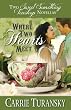
Mind Numbing Christian Chick Lit,
An old flame,Tyler, seeking forgiveness and atonement, after brutally dumping Allie six years ago, tries to make amends by developing an ad campaign to put Allie and her sister Tessa's tea shop, Sweet Something on the Princeton map. Allie's latest guy, Peter who comes from old Princeton money, is a real material guy. Allie's faith comes first. Will she take Tyler back?
Carrie Turansky's writing style. though adequate, is pedantic and overloaded with mindless minutiae. I really don't want to know what every customer wore, or the delivery man's wardrobe if it has nothing to do with the story. The first novella (short story) Tea For Two, begins with such a blizzard of Christian words, I found myself speed-reading just to get through it. If Christian lit, peppered with Godtalk (ostensibly to deliver the character's frame of mind) and Bible verse quotes, melts your butter, then you'll love this book. I wish it had been labeled as Christian chick lit, I wouldn't have downloaded it. Besides, the Corinthians never wrote back. Apparently there's a second short story of Tessa's trevails, Wherever Love Takes Us. I never got to it. The role of the short story is to get in early and to get out early, with a minimum of verbiage, not to drown the reader with excess detail, repetitive quotes and descriptions of clothing combos. It doesn't help that the author has a fondness for weak verbs, excess adverbs and adjectives. I got to chapter seven (and skimmed to chapter ten) before I gave up. Not enough storyline to hold my interest. Just not my cuppa tae. | ||||||||||
| ||||||||||||||||||||||||||||||||||||||||||||||||||||||||||||||||||||||||||||||||||||||||||||||||||||||||||||||||||||||||||||||||||||||||||||||||||||||||||||||||||||||||||||||||||||||||||||||||||||||||||||||||||||||||||||||||||||||||||||||||||||||||||||||||||||||||||||||||||||||||||||||||||||||||||||||||||||||||||||||||||||||||||||||||||||||||||||||||||||||||||||||||||||||||||||||||||||||||||||||||||||||||||||||||||||||||||||||||||||||||||||||||||||||||||||||||||||||||||||||||||||||||||||||||||||||||||||||||||||||||||||||||||||||||||||||||||||||||||||||||||||||||||||||||||||||||||||||||||||||||
Escaped fiction,
Cassi and Jared, two art gallery buyers from opposite ends of the country, meet at a bidding war to buy a bad copy of Buddha statue for their owners' galleries. But the bad guys seem to want that counterfeit buddha too. Cassi and Jared find love along the way as they outwit the bad guys and figure out what's inside the statue that's worth killing for.
Many readers are praising the book because it's a clean, faith-based romance. No smut, swearing or sex--but hey, theft, murder, violence and bloodshed are OK, right? One reader claimed it was a "good spiritual book," I had to laugh. Nothing particularly spiritual about it (except maybe to have a lot of kids). A pastiche of LDS Christian themes artlessly woven into the storyline doesn't enhance the story it so it's a tad awkward, but not overbearing. The fiction author's job is not to prosthelitize, or convert the reader, but remain true to their character's wants and needs. The rather short story (or novella), is told from the alternating perspective of both Cassie and Jared. However, the somewhat daft but likable characters are flat, and two-dimensional; the plot has a few curious loopholes. Hence the three-star rating. At least Nunes' writing style is solid and lively, her grammatical errors are minimal, and it is an entertainingly light read. Simple summer escape fiction that won't make you think or blink. Not much by way of sizzle though. A light chick lit mystery/romance that's suitable for teenagers--if the story will hold their attention, that is. Framed For Love, the second book continues the love story (Cassi and Jared's marriage, and the bad guys want revenge), and Love On The Run (the honeymoon, and other even badder guys) rounds out the trilogy. | ||||||||||||||||||||||||||||||||||||||||||||||||||||||||||||||||||||||||||||||||||||||||||||||||||||||||||||||||||||||||||||||||||||||||||||||||||||||||||||||||||||||||||||||||||||||||||||||||||||||||||||||||||||||||||||||||||||||||||||||||||||||||||||||||||||||||||||||||||||||||||||||||||||||||||||||||||||||||||||||||||||||||||||||||||||||||||||||||||||||||||||||||||||||||||||||||||||||||||||||||||||||||||||||||||||||||||||||||||||||||||||||||||||||||||||||||||||||||||||||||||||||||||||||||||||||||||||||||||||||||||||||||||||||||||||||||||||||||||||||||||||||||||||||||||||||||||||||||||||||||
|
| |||||||||||||||||||||||||||||||||||||||||||||||||||||||||||||||||||||||||||||||||||||||||||||||||||||||||||||||||||||||||||||||||||||||||||||||||||||||||||||||||||||||||||||||||||||||||||||||||||||||||||||||||||||||||||||||||||||||||||||||||||||||||||||||||||||||||||||||||||||||||||||||||||||||||||||||||||||||||||||||||||||||||||||||||||||||||||||||||||||||||||||||||||||||||||||||||||||||||||||||||||||||||||||||||||||||||||||||||||||||||||||||||||||||||||||||||||||||||||||||||||||||||||||||||||||||||||||||||||||||||||||||||||||||||||||||||||||||||||||||||||||||||||||||||||||||||||||||||||||||
|
Shoddy writing, bad scholarship interferes with storyline,
My neighbor lent me this book a few summers ago (she'd met the author), and I've tried to read it thrice as the subject matter intrigued me. Third time wasn't a charm. Nor was the electronic preview of any help. I foundered on the sentence where June MacDonald's mother, Cathy is "visually shaken." By the time I got to Chapter Three, I was seething. No excuse for shoddy prose:
"the cool night's air." The night owns the air? "silhouette of the gibbous moon" A silhouette is a shadow. "spring's late twilight?" Summer twilight? "her boney knuckles?" Bony? family members were "hung" Did she mean hanged? After a few chapters, I found myself leaving a trail of postette notes throughout the book. I felt like I was grading a student paper. I kept putting the book down, at times it's unintelligible. I wanted to like the story--especially since the second half of the story chronicles the 1960's Haight Ashbury scene. But I never got there because of Ahern's writing style. So much of the book is amateurishly written, I found myself skimming along to get to the next part. So I never really left the mean streets of the Glasgow story, (and what about the Isle of Skye?). Ahern certainly captures the prejudice and antagonism between Catholics and Protestants in Glasgow during the 1950s (alas, that vein continues to time present.) It's a dark, brooding story of a dysfunctional working class family hiding deep secrets, not chick lit, nor a bodice-ropper, though bodices were ripped. No Mean City captures the steamy undersides of Glasgow better. I didn't know if I could bear waiting the storyline out to get to San Francisco to read about the tribulations of a Scottish immigrant family in America. (And to see if it compared with our family's Irish Catholic immigrant experience in San Francisco--my fey mother (a tarot packing psychic during the 60s), aunts and uncles frequented many of the the same locales--Playland, Sutro Baths, etc.) However, the emphasis on Catholicism, witchcraft and the occult to carry the storyline, did not intrigue me. Also, the veracity of Ahern's Scottish informants leaves something to be desired--at least in the linguistic department. (I live with a Scotsman who grew up near Glasgow). I noted that the footnotes have disappeared in the electronic edition (I also read the free portion of the book online). The footnotes were distracting and often wildly inaccurate. FWIW, many of the terms Ahern identified as Scottish, are actually Celtic--a shared tradition with Ireland, and the Isle of Man. Besides, most Catholic 'Weegie" families were originally from Ireland--especially in The Barrows. (Ahern is an Irish name.) I wish Ahern would make up her mind with her character development. Is this supposed to be a novel or a thinly veiled autobiographical memoir? But myriad errors serve to constantly undermine the story. Makes me distrust the author's instinct. A Tinker (aka Traveller--Tinker is a pejorative term) is NOT NOT NOT a Gypsy. Ahern gives the Traveler Celtic attributes, then calls her a Gypsy. Argh! Travellers are not Romany, they are a Celtic peoples. Minor details, to be sure. But irritating. DO avoid the printed version at all costs. It's clearly the author's first book, and it's really a rough draft. Glaring typos are more unforgiving on the printed page. This book is in need of a seriously good edit. That said, I look forward to reading the revised Kindle edition if she ever gets around to it. (Judging from the comments posted here, I'd say she didn't revise it). Note bene: I wrote this blerb long before I began reviewing my ebooks on Amazon, and while cleaning out old files, I found these notes. Clearly, I was upset by the lack of editing in the book to write this. Since I've a few reviews under my belt, I decided to post it as well. | ||||||||||||||||||||||||||||||||||||||||||||||||||||||||||||||||||||||||||||||||||||||||||||||||||||||||||||||||||||||||||||||||||||||||||||||||||||||||||||||||||||||||||||||||||||||||||||||||||||||||||||||||||||||||||||||||||||||||||||||||||||||||||||||||||||||||||||||||||||||||||||||||||||||||||||||||||||||||||||||||||||||||||||||||||||||||||||||||||||||||||||||||||||||||||||||||||||||||||||||||||||||||||||||||||||||||||||||||||||||||||||||||||||||||||||||||||||||||||||||||||||||||||||||||||||||||||||||||||||||||||||||||||||||||||||||||||||||||||||||||||||||||||||||||||||||||||||||||||||||||
|
| |||||||||||||||||||||||||||||||||||||||||||||||||||||||||||||||||||||||||||||||||||||||||||||||||||||||||||||||||||||||||||||||||||||||||||||||||||||||||||||||||||||||||||||||||||||||||||||||||||||||||||||||||||||||||||||||||||||||||||||||||||||||||||||||||||||||||||||||||||||||||||||||||||||||||||||||||||||||||||||||||||||||||||||||||||||||||||||||||||||||||||||||||||||||||||||||||||||||||||||||||||||||||||||||||||||||||||||||||||||||||||||||||||||||||||||||||||||||||||||||||||||||||||||||||||||||||||||||||||||||||||||||||||||||||||||||||||||||||||||||||||||||||||||||||||||||||||||||||||||||
|
Gripping crime mystery with a paranormal twist,
Though the storyline is more intuitive, or paranormal, than supernatural, The Dream Jumper's Promise is a perfect summer read.
Recently widowed diveshop owner Tina Greene's plagued with recurring watery nightmares of her late husband Hank who was lost at sea while surfing off Maui. Jamey, a dream jumper, helps her to resolve the conflict, and resolve the mystery of Hank's death. Well developed characters. Interesting plot twists. Though it's been a year since I've read The Dream Jumper's Promise, it stayed with me (I am still haunted by the ending); it deserves a review. (I wasn't yet writing Amazon reviews last year). I'm not a fan of the paranormal fantasy romance genre, I often find it insipid and boring. Lazy authors often boost up the Twilight Zone effects to mask bad writing and wading pool storylines. However, Hornsby's cinematically drawn story has real depth, if not the deeps. This story's unpredictable plot, and dream jumping premise was so fresh and original, that I was able to overlook a litany of flaws: shaky grammar, repetitive lines, abrupt plot transitions, confusing scene leaps, orphaned ideas and subplots, and occasional geographical challenges. However, I found myself having to go back and reread bits, thinking I'd missed something critical in the storyline. Because the book written with storyline set in time present interlaced with dreams, flashbacks and memories, some visual cues, such as italics, indents, and large paragraph breaks would be useful for the reader. (I once wanted Faulkner's The Sound and the Fury to be printed in different colors of ink to distinguish the threads. With electronic books, that would be a snap.) The Dream Jumper's Promise could use a good, stiff rewrite (hence the three star rating) but still, it's a visceral page turner right to the very end. And it leaves an afterglow on the psyche. I look forward to reading The Dream Jumper's Secret in the The Dream Jumper Series. | ||||||||||||||||||||||||||||||||||||||||||||||||||||||||||||||||||||||||||||||||||||||||||||||||||||||||||||||||||||||||||||||||||||||||||||||||||||||||||||||||||||||||||||||||||||||||||||||||||||||||||||||||||||||||||||||||||||||||||||||||||||||||||||||||||||||||||||||||||||||||||||||||||||||||||||||||||||||||||||||||||||||||||||||||||||||||||||||||||||||||||||||||||||||||||||||||||||||||||||||||||||||||||||||||||||||||||||||||||||||||||||||||||||||||||||||||||||||||||||||||||||||||||||||||||||||||||||||||||||||||||||||||||||||||||||||||||||||||||||||||||||||||||||||||||||||||||||||||||||||||
|
| |||||||||||||||||||||||||||||||||||||||||||||||||||||||||||||||||||||||||||||||||||||||||||||||||||||||||||||||||||||||||||||||||||||||||||||||||||||||||||||||||||||||||||||||||||||||||||||||||||||||||||||||||||||||||||||||||||||||||||||||||||||||||||||||||||||||||||||||||||||||||||||||||||||||||||||||||||||||||||||||||||||||||||||||||||||||||||||||||||||||||||||||||||||||||||||||||||||||||||||||||||||||||||||||||||||||||||||||||||||||||||||||||||||||||||||||||||||||||||||||||||||||||||||||||||||||||||||||||||||||||||||||||||||||||||||||||||||||||||||||||||||||||||||||||||||||||||||||||||||||
|
54 of 56 people found the following review helpful
Pretty dead & boring,
Awk, I'm up to chapter 5 and I think I'll part company with this one. I'm not willing to invest another hour to read this triteness. Repetitive simple, choppy sentences, bad grammar, weak verbs, wrong use of words, and it was a boring read to boot. Got tired of waiting for the story to improve.
Flat, uncompelling characters. I wanted to off Kimberly the neurotic blonde bimbo and her weiner dog. I mean who TOSSES small dogs into cars? Shoes, maybe. At least shoes don't have fragile spines. Is that the best verb the author could think of? Toss? Poor dog. I like my heroines to have an IQ above room temperature. I never did meet the senior citizens Agnes and Eleanor (who sound delightful) as the writing was so doddering, I gave up, Not cozy, not funny, and not light reading. More like amateur writing. Author Madison Johns needs to employ a good proofreader, a copy editor and a writing coach if she's planning on writing more books. I wouldn't recommend this book to anyone--free, or otherwise. Awful. Oh wait, she had EbookEditing Pro (Editor), and Cindy Tahse (Editor). Suggest that she fire them. If this were a paperback, then maybe the parrot would like it to line the bottom of his cage with it. | ||||||||||||||||||||||||||||||||||||||||||||||||||||||||||||||||||||||||||||||||||||||||||||||||||||||||||||||||||||||||||||||||||||||||||||||||||||||||||||||||||||||||||||||||||||||||||||||||||||||||||||||||||||||||||||||||||||||||||||||||||||||||||||||||||||||||||||||||||||||||||||||||||||||||||||||||||||||||||||||||||||||||||||||||||||||||||||||||||||||||||||||||||||||||||||||||||||||||||||||||||||||||||||||||||||||||||||||||||||||||||||||||||||||||||||||||||||||||||||||||||||||||||||||||||||||||||||||||||||||||||||||||||||||||||||||||||||||||||||||||||||||||||||||||||||||||||||||||||||||||
|
| |||||||||||||||||||||||||||||||||||||||||||||||||||||||||||||||||||||||||||||||||||||||||||||||||||||||||||||||||||||||||||||||||||||||||||||||||||||||||||||||||||||||||||||||||||||||||||||||||||||||||||||||||||||||||||||||||||||||||||||||||||||||||||||||||||||||||||||||||||||||||||||||||||||||||||||||||||||||||||||||||||||||||||||||||||||||||||||||||||||||||||||||||||||||||||||||||||||||||||||||||||||||||||||||||||||||||||||||||||||||||||||||||||||||||||||||||||||||||||||||||||||||||||||||||||||||||||||||||||||||||||||||||||||||||||||||||||||||||||||||||||||||||||||||||||||||||||||||||||||||
|
A rarified read--a gripping tale, memorable characters,
As I began reading the murder mystery, Slow Curve on the Coquihalla, I sobbed with unconscious relief: R.E. Donald's storytelling and intelligent writing style is superb. Donald's not afraid of using real verbs, nor afraid of simile and metaphor, and her working vocabulary is larger than a thousand words! YES! I didn't realize how starved I really was for decent writing as most of the Kindle Edition ebooks I've read on Amazon are, at best, meagre in word and plot.
Canadian writer R.E. (Ruth) Donald writes about what she knows firsthand and her writing style reflects her deep knowledge of the trucking world. Authorative polished writing, solid, well-crafted characters, great plot twists, pacing, and, of course, the prerequisite dangling red herrings. (Though I did guess who the murderer was, I still had doubts). The protagonist, former Sgt. Hunter Rayne, a retired ex-Mountie-cum-trucker, reminds me of Canadian TV detective DaVinci, of DaVinci's Inquest--but he's more soulful, and self-reflective. A complex, poetic character, Hunter, a lawman who retired after his RCMP partner committed suicide, and took to the open road as big-rig trucker. Hunter's still a detective at heart. When his friend is murdered, Hunter lives up to his moniker, and doggedly persues his elusive quarry, thus proving that the Mountie always gets his man. Indeed, old habits die hard: you can take the man out of the Mountie but you can't take the Mountie out of the man. Alas, one reviewer thought the book was slow, another said it was over-written. Not at all. I suspect those readers haven't read anything challenging in a while, if ever. Not that this is a challenging book: Douglas doesn't insult the reader's intellect. Bonus points for the lyrical prosaic passages--it's a love poem--a paeon to the Pacific Northwest. From the first paragraph, I was hooked: "Somewhere between him and the horizon, beneath the scalloped rows of gilt-edged clouds, the port city of Vancouver mushroomed along the shores of Burrard Inlet, her sharp edged buildings sprouted against the looming shadows of the Coast mountains." Or "His fingers played a scale on the steering wheel." (When I was young, I hitchedhiked those gorgeous roads). Douglas's writing style is a breath of fresh air. I've not been compelled to give a five-star review for most of the free Kindle Edition ebooks I've read, but this one deserves it. And more. Douglas revitalizes the Kindle murder mystery genre. Kudus on your first book! You're rockin' it. Can't wait to meet Hunter Rayne again in Ice on the Grapevine. | ||||||||||||||||||||||||||||||||||||||||||||||||||||||||||||||||||||||||||||||||||||||||||||||||||||||||||||||||||||||||||||||||||||||||||||||||||||||||||||||||||||||||||||||||||||||||||||||||||||||||||||||||||||||||||||||||||||||||||||||||||||||||||||||||||||||||||||||||||||||||||||||||||||||||||||||||||||||||||||||||||||||||||||||||||||||||||||||||||||||||||||||||||||||||||||||||||||||||||||||||||||||||||||||||||||||||||||||||||||||||||||||||||||||||||||||||||||||||||||||||||||||||||||||||||||||||||||||||||||||||||||||||||||||||||||||||||||||||||||||||||||||||||||||||||||||||||||||||||||||||
|
| |||||||||||||||||||||||||||||||||||||||||||||||||||||||||||||||||||||||||||||||||||||||||||||||||||||||||||||||||||||||||||||||||||||||||||||||||||||||||||||||||||||||||||||||||||||||||||||||||||||||||||||||||||||||||||||||||||||||||||||||||||||||||||||||||||||||||||||||||||||||||||||||||||||||||||||||||||||||||||||||||||||||||||||||||||||||||||||||||||||||||||||||||||||||||||||||||||||||||||||||||||||||||||||||||||||||||||||||||||||||||||||||||||||||||||||||||||||||||||||||||||||||||||||||||||||||||||||||||||||||||||||||||||||||||||||||||||||||||||||||||||||||||||||||||||||||||||||||||||||||
|
Thin foodie tale with little substance set on the Russian River during the 1970s.,
Maybe I shouldn't have read this book when I saw the locale. See, I lived on the Russian River during the era in question, so I kept trying to ameliorate places and dates--especially since the author mentioned real people and places. I lived up the road from Speer's Market; Rosemary's Garden (by 1978, Rosemary Gladstar moved to Sebastopol), the Russian River Lodge, and Fife's Resort in Guerneville were all familiar haunts.
Even more awkward was discovering--at the end of the book--that Andrea Hurst was an Expressive Arts classmate of mine at Sonoma State. So I'm torn between Maybe I should recuse myself, to Yay! One of my classmates actually wrote this book! (Wow, she's a book agent, and writes for Writers" Digest? Kudus!). To--this book is positively boring. Let's just get on with the story, shall we? Cathy, a hippie vegetarian cafe owner, has a chance encounter with a stranger, Jamie, a chef, who is married to Cat's best high school friend, Pam. They crashland on Cat's doorstep while he's being interviewed for chef positions. (It was love at first sight, or maybe first bite--since they're both foodies.) I won't mention that in 1977, there were no tony five-star foodie resorts in Sonoma County, it was still an epicurean and cultural backwater). Cat does the honorable thing (more or less) and the brunt of the story revolves around will they or won't they acknowledge (and act upon) their mutual attraction? C'mon, this was 1977, everybody who moved to Sonoma County--straight, or gay--was pretty much grooving with everybody. At best, Always with You is an overwritten and thin story, where the food was more real than the people. Hurst repeats lines over and over again, with an occasional prosaic burst. Cat's paramour Jamie is one-dimensional and is overly romanticised to the point of nausea. And if I hear how beautiful his eyes (or hands or biceps) are again, I'll rip 'em out. I also got right sick of hearing about the danged veggie burgers too. Is the author pushing an overt vegan agenda? Also, in 1977, the Russian River was still economically depressed, the revitalizing gay scene hadn't kicked into overdrive, so the economy base just wasn't there. In 1977, chess world champion (and gay pioneer) Peter Pender just bought Murphy's Ranch, it wasn't yet Fife's Resort. I swam there when it was still Murphy's. It cost 50 cents a day. All the other gay resorts that Hurst mentioned, also hadn't yet come into being: Rainbow Cattle Co. (1979), Rusty Nail, The Woods (The Hexagon House--a conservatory designed by Walter Gropius), etc. Though the author is pretty good a name-dropping locale, that's pretty much all it is--a thin veneer of name-dropping; the historical timeline is skewed. But it was fun to see my old Cotati hangout, Inn of the Beginning, and Monte Rio's Pink Elephant mentioned in print. FWIW: it's Duncan's MIlls, not Duncan Mills. The Blue Heron just opened in 1977--I used to produce Locals' music & poetry events there for Blue Monday. it's Wohler Bridge/Beach, not Waller (those other blogs you're lifting info from are wrong). In 1976-77, actor Fred MacMurray, closed down Wohler Beach, bringing in the long arm of the law (who were formerly content with peeking at us), and skinny-dipping was officially outlawed on the Russian River. That was the year I bought a bathing suit. I fought long and hard to stay in the story, Always With You. After all, it's fiction, right? It 's a tale replete with a happy ending, if you have the strength to get to the end. I was feeling pretty peckish for a much meatier story by then. | ||||||||||||||||||||||||||||||||||||||||||||||||||||||||||||||||||||||||||||||||||||||||||||||||||||||||||||||||||||||||||||||||||||||||||||||||||||||||||||||||||||||||||||||||||||||||||||||||||||||||||||||||||||||||||||||||||||||||||||||||||||||||||||||||||||||||||||||||||||||||||||||||||||||||||||||||||||||||||||||||||||||||||||||||||||||||||||||||||||||||||||||||||||||||||||||||||||||||||||||||||||||||||||||||||||||||||||||||||||||||||||||||||||||||||||||||||||||||||||||||||||||||||||||||||||||||||||||||||||||||||||||||||||||||||||||||||||||||||||||||||||||||||||||||||||||||||||||||||||||||
|
| |||||||||||||||||||||||||||||||||||||||||||||||||||||||||||||||||||||||||||||||||||||||||||||||||||||||||||||||||||||||||||||||||||||||||||||||||||||||||||||||||||||||||||||||||||||||||||||||||||||||||||||||||||||||||||||||||||||||||||||||||||||||||||||||||||||||||||||||||||||||||||||||||||||||||||||||||||||||||||||||||||||||||||||||||||||||||||||||||||||||||||||||||||||||||||||||||||||||||||||||||||||||||||||||||||||||||||||||||||||||||||||||||||||||||||||||||||||||||||||||||||||||||||||||||||||||||||||||||||||||||||||||||||||||||||||||||||||||||||||||||||||||||||||||||||||||||||||||||||||||
|
British retired couple teach ESL in Bahrain during Arab Spring,
I've enjoyed reading this memoir series, and I do admire the writer, Victoria Twead's pluck, as it is challenging to write an ongoing memoir series when there was little of note from one's former life to draw from. When Vicky and her recalcitrant husband Joe retired to a tiny village in mountainous Andalucía, Spain, from suburban southern England, it was a wild ride. Culture-clash with a side-dish of self-depricating humor drove the story. Her first memoir in the trilogy, Chickens, Mules and Two Old Fools, is a screamer of a read.
In her second book, Two Old Fools on a Camel: From Spain to Bahrain and Back Again, Vicky's an astute observer of human nature. She's graced with a wry sense of humor, and she successfully mines humor in the unlikeliest corners. In this case, as English ESL teachers in Bahrain during the onset of Arab Spring, where chaos rules the day. However, this book's a little more self-indulgent, a traveogue diary, rather than true memoir (Peter Mayle, she ain't). Though, the subject matter was tough to wrestle when one was stuck in the midst of revolution, Vicky doesn't have the journalist's edge, and is sometimes condescending of Muslim/Arab culture. Alas, this is somewhat of an ingrained English trait, so it may be unconscious on her part. Vicky was clearly out of her comfort zone in the Middle East, (a huge culture-clash), and I would've liked to see a little more self-reflection from the author. I liked the book format with recipes links embedded at the head of each chapter, but I had no idea who the cookbook author Nadia Sawalha was, or how/why Vicky chose her recipes. There needs to be some sort of backstory to introduce the cookbook author, how Vicky met her, etc. I loved the buried nuggets: Vicky's confusion dealing with myriad Mohammeds, students' crazy misuse of words that vaguely resembled other words (Mrs. Malaprop would've been proud), and the ingenious methods they resorted to in order to cheat on exams. (Ban cellphones from the classroom!) However, the book was rife with glaring grammatical errors--from somebody who is teaching English ESL? Agh! Another reader noted: "Everybody graduated towards him" vs "gravitated." In this case, Vicky is no better off than her malapropriating Mohammeds, and English is her first language! No excuse. Some authors offer money if a reader finds more than five legitimate typos, an ingenious idea. Because the book hasn't made the transition from roughshod journal entry to story, and because it's rife with myriad typos and grammatical errors, I've given it a three-star rating. Two Old Fools --Olé! is a follow-up of Chickens/Mules/Fools (which I have yet to read). Hopefully there will be fewer typos and grammatical errors in her third book. | ||||||||||||||||||||||||||||||||||||||||||||||||||||||||||||||||||||||||||||||||||||||||||||||||||||||||||||||||||||||||||||||||||||||||||||||||||||||||||||||||||||||||||||||||||||||||||||||||||||||||||||||||||||||||||||||||||||||||||||||||||||||||||||||||||||||||||||||||||||||||||||||||||||||||||||||||||||||||||||||||||||||||||||||||||||||||||||||||||||||||||||||||||||||||||||||||||||||||||||||||||||||||||||||||||||||||||||||||||||||||||||||||||||||||||||||||||||||||||||||||||||||||||||||||||||||||||||||||||||||||||||||||||||||||||||||||||||||||||||||||||||||||||||||||||||||||||||||||||||||||
|
| |||||||||||||||||||||||||||||||||||||||||||||||||||||||||||||||||||||||||||||||||||||||||||||||||||||||||||||||||||||||||||||||||||||||||||||||||||||||||||||||||||||||||||||||||||||||||||||||||||||||||||||||||||||||||||||||||||||||||||||||||||||||||||||||||||||||||||||||||||||||||||||||||||||||||||||||||||||||||||||||||||||||||||||||||||||||||||||||||||||||||||||||||||||||||||||||||||||||||||||||||||||||||||||||||||||||||||||||||||||||||||||||||||||||||||||||||||||||||||||||||||||||||||||||||||||||||||||||||||||||||||||||||||||||||||||||||||||||||||||||||||||||||||||||||||||||||||||||||||||||
A material girl read,
Once I got past the first few chapters overladen with a twenny-something's fixation (author and main character) on rampant materialism, I enjoyed the story, but it's definitely a fluffy material girl read.
Jill Parnell, pushing 30, a lawyer hoping to make managing partner in her firm, gets passed over for the position by her boss's nephew. A cute love story develops when she asks the groom's best man to pose as her boyfriend to get a job at a rival firm. A comedy of errors ensues. The story improves, and the sub-plot with her parents is interesting. But goal-driven all-work-and-no-play Jill is such a whiney, self-absorbed, shallow character, I wanted to shriek "Grow up!" several times. I get that's she's supposed to get a life and that part of the storyline is interesting. I also didn't find the supporting characters compelling enough, to be enticed to read any sequels in the Better Date Than Never series. The central subject, a woman who is passed over for a job in favor of a man because of nepotism is serious subject matter (in a famous landmark case, my grandfather fought SF City Hall and won), but this "best-selling" writer is immature and repeats stock phrases throughout the book, rather than crafting compelling sentences of her own. Deleted. | ||||||||||||||||||||||||||||||||||||||||||||||||||||||||||||||||||||||||||||||||||||||||||||||||||||||||||||||||||||||||||||||||||||||||||||||||||||||||||||||||||||||||||||||||||||||||||||||||||||||||||||||||||||||||||||||||||||||||||||||||||||||||||||||||||||||||||||||||||||||||||||||||||||||||||||||||||||||||||||||||||||||||||||||||||||||||||||||||||||||||||||||||||||||||||||||||||||||||||||||||||||||||||||||||||||||||||||||||||||||||||||||||||||||||||||||||||||||||||||||||||||||||||||||||||||||||||||||||||||||||||||||||||||||||||||||||||||||||||||||||||||||||||||||||||||||||||||||||||||||||
|
| |||||||||||||||||||||||||||||||||||||||||||||||||||||||||||||||||||||||||||||||||||||||||||||||||||||||||||||||||||||||||||||||||||||||||||||||||||||||||||||||||||||||||||||||||||||||||||||||||||||||||||||||||||||||||||||||||||||||||||||||||||||||||||||||||||||||||||||||||||||||||||||||||||||||||||||||||||||||||||||||||||||||||||||||||||||||||||||||||||||||||||||||||||||||||||||||||||||||||||||||||||||||||||||||||||||||||||||||||||||||||||||||||||||||||||||||||||||||||||||||||||||||||||||||||||||||||||||||||||||||||||||||||||||||||||||||||||||||||||||||||||||||||||||||||||||||||||||||||||||||
|
Interesting little mystery set in Provence,
The title is a red herring; it's a clever play on the concept of ghostwriter, not on the paranormal. Paris-based freelance journalist, Georgia Lee Maxwelll, hired as a ghostwriter for an alleged Mommy Dearest murderess' tell-all tale, gets caught in the crossfire when things get stirred up. Threatening letters and death threats. A real death. Whodunit? Several red herrings. Everybody is a suspect.
I enjoyed reading the story. It's a quick, suspenseful tale. Michaela Thompson (the author) is a decent, solid writer, with seven mysteries under her belt. I can tell that she draws from her own life experiences. Good writing, great plot. That said, the characters, though true to form (their actions supported their personae), were a tad flat. Story could have been fleshed out a bit more. It feels a little skeletal. Author was spare with the details of Provence as well. For good writing the adage is to: show, don't tell. Apparently this is the second novel in the Georgia Lee Maxwell series. I did not read the first novel, Magic Mirror: A Parisian Mystery (Georgia Lee Maxwell #1), so I've nothing to compare it to.The story stands alone. Another reviewer noted that the French used in the story was missing its punctuation. Hopefully Thompson will amend those grammatical errors in the ebook. I found it hilarious that the author, writing about a ghostwriter, once wrote under a pseudonym, Mickey Friedman. Perhaps there's a tale to tell there as well. | ||||||||||||||||||||||||||||||||||||||||||||||||||||||||||||||||||||||||||||||||||||||||||||||||||||||||||||||||||||||||||||||||||||||||||||||||||||||||||||||||||||||||||||||||||||||||||||||||||||||||||||||||||||||||||||||||||||||||||||||||||||||||||||||||||||||||||||||||||||||||||||||||||||||||||||||||||||||||||||||||||||||||||||||||||||||||||||||||||||||||||||||||||||||||||||||||||||||||||||||||||||||||||||||||||||||||||||||||||||||||||||||||||||||||||||||||||||||||||||||||||||||||||||||||||||||||||||||||||||||||||||||||||||||||||||||||||||||||||||||||||||||||||||||||||||||||||||||||||||||||
|
| |||||||||||||||||||||||||||||||||||||||||||||||||||||||||||||||||||||||||||||||||||||||||||||||||||||||||||||||||||||||||||||||||||||||||||||||||||||||||||||||||||||||||||||||||||||||||||||||||||||||||||||||||||||||||||||||||||||||||||||||||||||||||||||||||||||||||||||||||||||||||||||||||||||||||||||||||||||||||||||||||||||||||||||||||||||||||||||||||||||||||||||||||||||||||||||||||||||||||||||||||||||||||||||||||||||||||||||||||||||||||||||||||||||||||||||||||||||||||||||||||||||||||||||||||||||||||||||||||||||||||||||||||||||||||||||||||||||||||||||||||||||||||||||||||||||||||||||||||||||||
|
A rare glimpse into Alzheimer’s,
This novel is a work of fiction told in the first person perspective, it's the memoir of Lillie Claire Glidden literally losing her mind. It's so poetically compelling—I forgot that it was a work of fiction. I found the story especially disturbing when Lillie Claire's language skills starts to fail her and the words disappear. I wept. The use of letters as a means to hold onto her past was an ingenious, if contrived, use of backstory. However, the character was a poet and writer. The letters gave the character something to hold onto—as she had no control over the wanderings of her errant mind. The writing is luminous and spare, poetic and lyric. A difficult subject to tackle and render into light the unspoken fears we all face as we watch our loved ones age, and as we too approach that slippery slope. Without being didactic, the insightful novel serves to educate the reader and helps us to come to terms with our own inevitable aging process. And it teachers us to have more compassion for our elders quietly slipping off from their moorings. Reminding us to say Hello in there.
| ||||||||||||||||||||||||||||||||||||||||||||||||||||||||||||||||||||||||||||||||||||||||||||||||||||||||||||||||||||||||||||||||||||||||||||||||||||||||||||||||||||||||||||||||||||||||||||||||||||||||||||||||||||||||||||||||||||||||||||||||||||||||||||||||||||||||||||||||||||||||||||||||||||||||||||||||||||||||||||||||||||||||||||||||||||||||||||||||||||||||||||||||||||||||||||||||||||||||||||||||||||||||||||||||||||||||||||||||||||||||||||||||||||||||||||||||||||||||||||||||||||||||||||||||||||||||||||||||||||||||||||||||||||||||||||||||||||||||||||||||||||||||||||||||||||||||||||||||||||||||
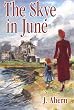
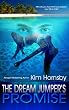
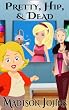









No comments:
Post a Comment