Showing posts with label Scottish. Show all posts

Thursday, November 1, 2018

Samhain, a cross-quarter festival

Oíche Shamhna Shona Daoibh! Happy New Year. May the Gates of the Otherworld stay open long enough for you to escape the coming darkness. And mind the Galoshins!

Astronomically speaking, Samhain should be celebrated November 11, which means that gates of the otherworld are open until November 16. Beware!

Modern calend dates are somewhat meaningless as the Julian calendar was off by ten days when the Gregorian calendar was introduced.

In the 8th c., Samhain was shoehorned into the Christian festival calendar of saints, and the original Roman festival of the dead that was celebrated in in May, and later, the Mexican El Día de los Muertos (originally celebrated in summer) was added to the mix. (See my rant, El Dia de los Muertos was moved atop our Day of the Dead/New Year.

Blame Pope Boniface IV for that mass conflagration of holidays to the dead now celebrated on Nov. 1 & 2.

The Celtic fire festivals are held on the cross-quarter days, midway point between the solstices and equinoxes. Samhain means summer’s end. It is part of a harvest-pastoral, or hunter’s festival calendar. Imbolc is the beginning of spring (first milk) and Beltane is the beginning of summer, followed by the games gathering festival of Lugnasa. And the church tacked on a whole slew of saints to each of these festivals in an attempt to desecularize them. Didn’t exactly work.

There is some thought that the festivals predate the coming of the Celts, which is plausible, as the Bell Beaker folk were sometimes called proto-Celts—at least by my anthropology professor. However, the megalithic standing stone monuments wouldn’t record any astronomical alignment to denote the timing of these fire festivals as they’re aligned to the solstices and equinoxes, not the cross-quarter days.

According to the early medieval Irish epics, that reflect an earlier oral tradition, Samhain was equally celebrated in Ireland, and much of the modern Halloween tradition was introduced to Scotland from Ireland.

Whose? I did a Google image search via Sean Folsom, no luck.

The Celtic wheel of the year with the cross-quarter days, nestled between the solstices and equinoxes. Samhain, the end of summer and the beginning of winter, is a harvest festival, (Halloween), followed by Imbolc, or spring (first milk), and Beltane, (May Day) or the beginning of summer, and Lugnasadh, the time for the great games and clan gathering—which lives on today as the Highland Games. Lughnassad (no double s, btw—) or Lunasa, is the festival of Lugh, is the beginning of August. It lives on in Ireland as the Puck Fair. Someone’s thrown in some other festivals. Oestara was not a Celtic festival, nor was Litha, or Yule, but Mabon was celebrated on the continent. It’s a bit of a mishmash, as someone was trying to shoehorn Roman, Germanic, and astrological signs into one thing. It doesn’t work like that. It’s not an antikythera...you can’t mix apples and oranges and a box of thumbtacks and expect it to make a fruit salad


Wednesday, October 24, 2018

Summer’s End

We’re fast approaching the end of the Celtic year, Samhain, or Summer’s End, which marks the half way mark, or cross-quarter day between the equinox and the solstice. The night when the boundary between this world and the otherworld are thinnest. The night of the great bonfires, where my great-grandfather ran his cattle between two fires to purify them (the other cross quarter day was Beltane)—the smoke was probably also a great pest deterrent. To be fair, the celebration of the cross-quarter days predates the arrival of the Celts, but they took to the custom like ducks to water, or sparks to flame.

In 609AD, Pope Boniface IV decreed November 1 as All Saints Day, or Allhallowmesse, thus placing a Christian spin on the Celtic celebration of Samhain. And since the festival lasted several days, we have Halloween, or All Hallows’ Eve, All Saints Day, and All Souls Day as well.

The Irish brought the vestiges of Samhain, rechristened Halloween by the church, to America, and to Scotland. In America, Halloween took off and became the secular extravaganza it is today, thanks to the candy industry, who saw a profit was to be made. During WWII, American GIs stationed in Germany, put on a Halloween festival in a castle, thus reintroducing elements of Samhain to its original Celtic homeland, and also back to Ireland as well.

We associate Halloween with zombies and characters like Frankenstein, but that story was penned during one dreary dreecht summer in Geneva by Irish lass, Mary Shelley, on a bet to produce a ghost story. Galvanizing the dead fits right into the premise of Samhain, or Halloween when the gates to the otherworld are open, the cauldron of plenty could raise the dead, and anything was possible.

Sunday, May 24, 2015

Eric Rigler (photos)


I had a few minutes time off from being an unpaid booth wench for Neil O'Neill & the CelticTyger at the Costa Mesa Scotfest Games, and I listened to an awesomely stellar uilleann piper, not knowing that he was the great Eric Rigler with his Celtic world fusion band, Bad Haggis.

Eric's playing style reminded me of Paddy Keenan. He's jammed with the stellar Scottish fiddler Alasdair Fraser (Skyedance is one of my fave CDs), Rod Stewart, Josh Groban, Phil Collins, Rubén Blades, and Babs Streisand. Eric played "Amazing Grace" at Ronald Reagan's memorial service, and for Sean Connery's AFI Lifetime Achievement award. 

You've heard him play uilleann pipes and hauntingly beautiful tin whistle tunes in many television shows and movies including The Titanic, Million Dollar Baby, Road to Perdition, Braveheart, Cinderella Man, Robots, The Spy Who Shagged Me, Prince of Egypt, Master and Commander: The Far Side of the World, Jewel in the Palace, and Crossing Jordan.

For a moment I sat in the presence of greatness and was transported by music.

Saturday, March 1, 2014

How the Welsh language was really invented

 Dydd Gwyl Dewi Dedwydd—or how the Welsh language was really invented: whiskered kittens on keyboards wearing white woolen mittens.

These are a few of my favorite things. And now I don't feel so bad...but you might if you ever wish someone a Dydd Gwyl Dewi Dedwydd, or visit Wales and have to pronounce some of the downright eyeteeth challenging placenames. Why yes, I have been to Llanfairpwllgwyngyllgogerychwyrndrobwllllantysiliogogogoch, now that you mention it, but why do you ask? 

Llanfair PG for short—is not the byproduct of a cat walking on keyboards, but it is a real village on the isle of Anglesey in Wales. One of the longest place names in the world, it was an 1860s gimmick for the longest railway station name in Britain prize—only no one can pronounce it. The railway sign is so long we could barely fit it all in the photo frame.

Barbarella's secret password is pronounced Llan-vire-pooll-guin-gill-go-ger-u-chwurn-drob-ooll-llantus-ilio-gogo-goch, which means [St.] Mary's Church (Llanfair) [in] the hollow (pwll) of the white hazel (gwyngyll) near (goger) the rapid whirlpool (y chwyrndrobwll) [and] the church of [St.] Tysilio (llantysilio) with a red cave ([a]g ogo goch). Got that? Good.

I double-dare you to Google these phrases I've compiled for your next Welsh lesson: 
Wnewch chi ysgrifennu hynna, os gwelwch yn dda? 
Helpa fi! Helpwch fi! 
Galw'r heddlu! 
Dw i ddim yn deall 
Mae fy hofrenfad yn llawn llyswennod. (Omniglot).

Aside from the pesky eels in the hovercraft (a linguist's inside joke), a friend of mine said Welsh looks like it is suffering from a severe case of irritable vowel syndrome. But it's really just a case of bad orthography. OK, so there are a lot of ds in a row too.

You know that Dydd Gwyl Dewi Dedwydd is a Welsh national holiday, today, right?

Eight of those letter combos (digraphs) are really one-letter sounds written in the English alphabet with two Latin letters: 
ch—èch, dd—èdd, ff—èff, ng— ll—èll, ph—ffi/yff, rh—rhi, th—èth. 
Speaking of those irritable vowels: the usual complement: a, e, i, o, u—but, hold on—w and y are also vowels. 

The Welsh—Cymraeg (aka Cambrian, Cambric, Cymric)—alphabet has 28 letters 
(but no j, k, q, v, x, or z), and it is related to Cornish, Breton(Brezhoneg); Cumbric, and Pictish—are both extinct. Probably because nobody could spell them either.

Welsh is a P-Celtic language. Irish, Scots Gaelic and Manx are Q-Celtic—as were almost all the Atlantic Celtic languages of Iberia—which is different than Gaulish.

TRANSLATE: I live in Wales
Welsh - Dw i'n byw yng Nghymru 
Cornish - Trigys ov yn Kembra 
Breton - E Kembre emaon o chom 
Irish - Tá mé i mo chónaí sa Bhreatain Bheag 
Scottish Gaelic - Tha mi a' fuireach anns a' Chuimrigh 
Manx - Ta mee cummal 'sy Vretyn (Omniglot).

BONUS POINTS—TRANSLATE & MATCH LANGUAGE:
Mae fy hofrenfad yn llawn llyswennod
Leun gant sili eo ma dourruzer
Tá m'árthach foluaineach lán d'eascanna.
Leun a sylli yw ow skath bargesi
Ta my haagh crowal lane dy astan.
Ma hoovercraft's full o eyls
Ma hoovercraft's breemin' ower wi eyls

Welsh emerged from Common Brittonic, or another down in the 'eels Brittonic dialect, ca. 6th c.AD. The Britons were all pushed to the west of what is now England/Scotland, and eventually the Brittonic-speaking west, was divided near modern-day Manchester/Liverpool, and the boundaries of modern Wales were founded.

Before the 6th c., Brittonic kingdoms extended from The River Clyde (Cumbria), to Cornwall & the Isle of Wight.

The earliest Welsh literature dates back to 600 AD. Wales' first Welsh bard was Taliesin of the 'shining/radiant brow' (or Tal-iesin, Taliessin; c. 534 – c. 599). He composed the story of Urien of Rheged, a 6th c. king—in what is now southern Scotland.

Another Welsh bard, was Aneirin, a Cumbric poet from Dumbarton (also modern Scotland), aka the "prince of bards, of flowing verse." Aneirin's epic Y Gododdin, records a pitched battle between the Britons and Angles at the Battle of Catraeth ca, 600 AD, in remembrance of his fallen patrons and lords of Hen Ogledd.

So, I guess we could say that the roots of written Welsh is really Scottish! Of course, there was no Scotland yet. Detail, I know. Also understanding the Brittonic language map during the post Classical era, and the early middle ages gives some linguistic credence to the next Mad March Celtic holiday on deck—that St. Patrick was actually from what is later known as Scotland.

Welsh was much easier to learn than Old Irish (also VSO and sometimes P*, but less tenses to fuss with). However, I was a mental disaster in my Medieval Welsh class at Berkeley—it was also post-9/11. I had the post-acopolytic mind of a squirrel. I did, however, manage to get through the first story of the Mabinogi, and another tale in Medieval Welsh. All I can say is, I'm glad I already knew how the stories were going to end. 


*Verb, Subject, Object, Preposition that conjugates with personal pronoun. 

Dydd Gwyl Dewi hapus
Anyway, all this to say to you: Happy Dewi Sant! Or Dydd Gwyl Dewi hapus! Do you have a bouquet of daffodils in hand, and a lucky leek stuck behind your left ear? Then, let the March madness begin.

White rabbit, rabbit, rabbit.


Note Bene: David, the patron saint of Wales and doves, whose feast/death day is March 1st (ca. 569-601 AD), would've been a contemporary of Taliesin and Aneirin.

During the height of Welsh resistance against the Normans, Saint David was recognized as the national patron saint. On his deathbed Dewi Sant was said to have uttered: "Brothers be ye constant. The yoke which with single mind ye have taken, bear ye to the end; and whatsoever ye have seen with me and heard, keep and fulfil."

An 8th c. poem prophesied that when all might seem lost, the Cymry would unite under the banner of David to defeat the English; "A lluman glân Dewi a ddyrchafant" (And they will raise the pure banner of Dewi)."

Dewi was son of Sandde, the Prince of Powys— the Ceredigion clan, and Non of Menevia. He founded a Celtic monastery at Glyn Rhosin (Vale of Roses) at Sir Benfro. He was buried at St David's Cathedral at Pembrokeshire; his shrine was a pilgrimage hot spot during the Middle Ages. Saint David is also associated with corpse candles, a flame, or blue fireball (bog-fire, will-o-the-wisp, ignis fatuus) that foretold death.

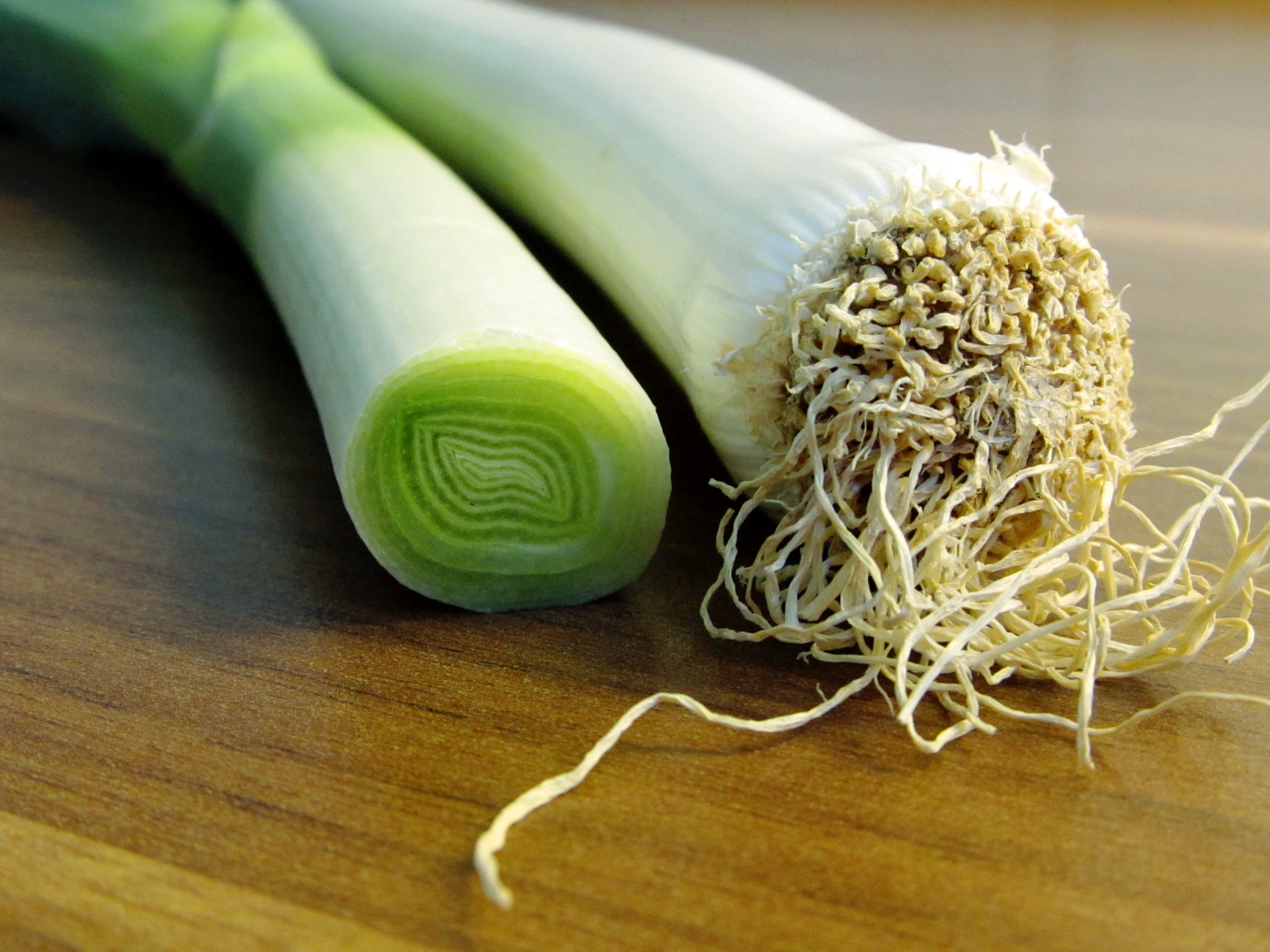
The Welsh wear a daffodil (symbol of spring) or the leek (secret sign) on their lapel to celebrate the feast of St. David. The words are similar in Welsh, Cenhinen (leek) and Cenhinen Pedr (daffodil, "Peter's leek").The leek was used as a symbol to distinguish Welsh troops from the pagan Saxon enemy. Friend or foe.

Cenhinen
The word Cymry dates back to the post-Classical Roman Era, meaning the peoples of "Yr Hen Ogledd", or the Men of the North. In Old Welsh combrog means "compatriot, or Welshman"; from cymryu+ brogi —country, or territory.

The word Wales, or Welsh, is not from within the culture. It's from the Germanic root (Walh, Walha) foreigner, which ironically was derived from the name of a fierce Gaulish tribe, the Volcae Tectosages—who gave Rome some real grief. The Volcae fought alongside Alexander the Great, and feared nothing.  

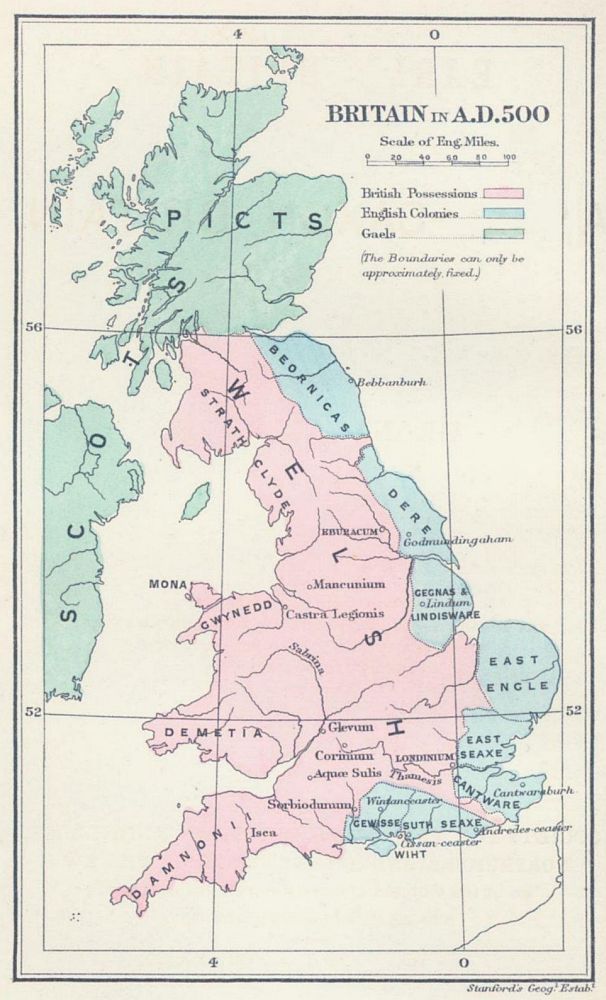
Britain 500 AD: Pink: Celtic Britons, or Welsh. Blue: Germanic tribes Angles, Saxons. Green: Gaels & Picts.

There was a lot of prehistoric travel back and forth from southern Ireland to Wales. During the 5th c., Gwynned was an Irish settlement, as was Anglesey. The word Gwynedd is an early borrowing from the Irish, related to the  Old Irish name Féni. Finn/Gwyn are cognates—fair/white.

My family name, Walsh (the Welshmen), is Breathnach in Irish. This does not mean our family were supplanted Normans, they might have come over to Bantry from Wales with Strongbow, they may have been descendants from the kingdom of Gwynned, or they may simply have been Brittonic-speakers in Ireland. 

My grannie's Irish Grammar book: Sinead Breatnac (Jane Walsh).

Wednesday, October 31, 2012

Halloween Traditions in Bantry


This is the original published sort version of Halloween agus Samhian


This post on our timeline by Maureen Hurley is so good we decided to share it with you all. Thanks Maureen.

Hallowe'en (aka All Hallows Eve—an Irish Catholic tradition supplanted older pagan Samhain traditions) was introduced to Scotland. And then it was introduced to America by the Irish, not the Scots.

As a child, my grandmother carved turnips (or swedes, or mangles—any big pithy round roots used for cow fodder) in Bantry during the 1890s. Turnips were used as lanterns, candles were placed in the window. It was also a tradition to let the hearth fire die, clean the hearth, and then the sacred tradition of relighting it—from the flame of those travelling turnips. Out with the old, in with the new. It was New Year's Eve, after all!

Wearing masks (as a disguise) and using bull roarers to scare off spirits—were all part and parcel of a long ongoing tradition of Hallowe'en. My grannie was thoroughly disgusted by the American tradition of Trick or Treat. She said in Ireland, one had to dance and sing, or recite a poem or story, and then, if one was good, they might be given a treat, or a ha-penny if they were very, very good. One was expected to trot out one's best pony show. Move over, Simon Cowell.

As to the Scottish Hallowe'en connection: much of Glasgow (and River Clyde) environs—especially the slums—was heavily settled and continuously resettled by waves of itinerant Catholic Irish workers—through the industrial revolution.


Wednesday, June 30, 2010

Digitalizing old audio cassette tapes


For the first time in ages, I’m listening to an old, old Skara Brae audio cassette tape. Unfortunately it’s a poor copy of a copy—from my Irish class at UC Berkeley, 1998. I’m transcribing it to digital format (with an iPod speaker wire attached to my MacBook—a major technological breakthrough—thank you, Chris Breen)—thus saving all those old songs from obscurity. Caidé sin don té sin made it to YouTube, but many of the old songs in Irish didn't fare so well. In the process of salvaging obscure media, I’m also listening to Jane Bark’s tapes of her distant cousin Chrissie McDonald of Barra singing the old songs. A nugget to find Mari's Wedding in Scots Gaelic. A delight.

I experimented and took an iPod speaker splitter wire—to plug iPod into analogue stereo—and merely swapped the configuration. (Took me a VERY long while to arrive at a solution via Occam's Razor). I plugged it into the speaker output vs input—duh! I thus reversed the connection, and then plugged iPod headphone end into my MacBook line in. Half-way there. I then found a program that would record off the desktop. WireTap (old v.) will work, or open source Audacity, as does CD Spin Doctor—usually bundled with Toast. Mad audio scientist at work with no manual, as usual. We don’t need no stinkin’ instructions.

What I’ve learned is that, if you can get a sound register via the line-in, then, you can record anything, LPs too. Not great quality, but worth a try if the music is obscure enough to not make it to the digital age. I'm salvaging my old audio tapes first—obscure sean nós Irish singing tapes—most of which don't exist in digital format. Saving old audio cassettes from obscurity—bringing them into the digital age before they turn back to base iron—has been a bit of a journey with no map. But the relative obscurity and rarity of these songs makes it worthwhile to go the extra miles. 

Somewhat expanded and revised for clarification from two Facebook posts, added 6/21

Wednesday, February 17, 2010

Queen Mary Scottish Games


We were featured at the 17th annual Queen Mary Scottish Games in Long Beach last weekend—our first time both performing and participating. It was a pleasant shock to run into so many old acquaintances there—including someone who read this blog—other than the spambots. They have turned me off to the point where I thought about deleting the entire blog just to get rid of them. They're worse than whale lice.

Now, I am under the profound illusion that there are 11 people in the world who are remotely aware that I even post a blog. But those 11 people don't actually read the blog— they're all those cute little postage stamp icons on the right column below the archives. Spambots don't count as they clearly don't have an aesthetic bone in their cyberbodies—though they are rather inventive at spelling/punctuation variations of Viagra and penis. Someday I'll make a list.

So imagine my surprise when one festival goer who is a fan of Neil O"Neill, Celtic Troubadour, said he'd actually been reading my blog. He showered me with compliments. Words like "talent," and "wisdom" were bandied about. My mouth gathered a profundity of flies (apparently Sarah Silverman had been seriously smutting down across the channel at the TEDTalks—a few disgruntled TED goers jumped ship—er conference hall—who came over to slum on the Queen Mary and maybe to look up men's kilts. You know those little cosmetic mirrors glued to the tops of their shoes?)

Anyway, all this to say that I've turned the comments section back on beneath most of the blog posts that I had previously blocked due to the literary spambots who write me lovenotes in such strange broken English. I found a new section that allows me to post a captcha and I no longer allow Anonymous posts—hopefully that will keep the thundering herds of spambots at bay. Hopefully. And with that, I might actually return to the blog arena again.

What my sole soul reader did say is that my blog was hard to follow in that there is no apparent order. That comes from my many writing hats. Maybe I should consider splitting the blog into several sections, or create different blogs. but it's hard enough just to keep one blog alive.

Should I pull all the poetry & post it in one blog? Post all the old newspaper articles in another blog and then create a separate Marin memoir blog? Problem is, the categories are all so fluid and they do inform who I am. I have never been good at separating my art genres. Is there a way to also thematically arrange the posts—other than by post date? Moving them means I lose the comments, BTW, and I do deem any genuine comments more precious than gold and Viagra. Any suggestions?

Monday, January 8, 2001

Celtic Stereotypes


Prof. Dan Melia ModCeltic Culture fl Scotland S/01-2

STEREOTYPES: IRISH

alcoholics/ friendly/ gregrious
always up for a laugh/ party
whiskey/guinness/whiskey
shamrockery/ stage irish
loads of movie stereotypes
St Paddywagon’s Day parade
crock of gold/rainbow
green isle/lots of rain/ farms
(superstitious islandfolk)
saints, scholars & schizophrenics
no snakes; magic
Standing stones
impractical to an extreme
wanting a good time
hot-tempered
stubborn/ pig-headed
hospitable, friendly
potatoes/ famine
sodabread/tea/ bacon
turf fire, poor cooks
tin-penny whistle
uliean pipes, bodhran
singers, storytellers
stepdancers/ tapdancers
religious/superstitious&
sentimental to an extreme
the little people/tuatha de
pooka/puck, fairies
The Troubles/divided/war
North vs South/ poverty
Catholic vs Protestant
1916 Uprising/ Freestate
betrayal from within/ pettymindedness to an extreme
Michael Collins, DeValera
emmigration, poverty
largest body of medieval lit.
Ulster, Finn, Tuatha cycles
Cuchulainn, Finn mac Cumhail
Tristan & Isolde/ill-fated love
Gaelic: a dying language

SCOTS

dour/melancholic/pettyminded
thrifty/stingy/reserved/friendly/ peevish/ smart/ practical/ inventive/ philosophers/scientists
Presbyterians /evangelical
vs Catholic minority
(not) given to drink
whisky galore
rich alcoholics who can hide it
highlanders a breed apart
bagpipes/kilts, scian dubh
(nothing is worn/ it’s in fine working order)
haggis & thistles/cockaleekie
crofters/ islanders/ isolated
(superstitious islandfolk)
loch ness monster/wee beasties
sheep buggerers
standing stones/ magic
Stone of Scone, Dalriada
shortbreads/scones
poor cooks
hospitable, friendly
Colum Cille/Iona royalty/saints
BooodyMary got her head cut off
Catholic vs Protestant
James II/VII; alliance w/England
Kenneth mac Alpin,Macbeth
Robert the Bruce, Braveheart
traitors: Bannockburn, Glencoe, Culloden Mhor
Highland clearances
Balmoral (kissing up to English royalty)
cultural thieves (Ossian)
emmigration poverty/wealth
Gaelic on the comeback
Lowland Scots (Robert Burns)
sentimental to an extreme

CORNISH

pasties
Poldark!
Pirates of Penzance
French Creek/smugglers
island causeway (name?)
tucked away villages
King Arthur/Tintagel
Geoffrey of Monmouth
Tristan & Isolde/ill-fated love
A dead/resurrected language

WELSH

eisteffodd (sp) chair
singers, poets
Daffyd ap Gwyllm
Dylan Thomas
alcoholics(reserved unless drunk)
suspicious, less friendly
Methodists/ evangelical
bible thumpers, dour, never smile
coal mines/ extreme poverty
How Green Was My Valley
very mountianous (inbred)
emmigration
dragons/ magic
Tudors/ betrayal
Mabinogion
Battle of the Trees
Trisan & Isolde/ill-fated love
poor cooks
Welsh language in recovery
Patagonia, Pennsylvania

BRETONS

Gauguin’s women/lace hats
Mt San Michel/island causeway
Lawyer/bread story; Ys, rocks
Carnac/standing stones
magical coastline
Breton Lays, Song of Roland
Tristan & Isolde/ill-fated love
Marie loses realm to Phillip(end of Brittany)
No Bretons or spitting allowed
good cooks, lots of cream fat
very pious/catholic to an extreme

MANX

tailess cats
1st Viking parliament, coins
tax haven for rock stars
last druidic stronghold
a very dead language

SPAIN/FRANCE/BELGIUM

Walloons/ marginalized
Wild Geese (Macmahonaise/hennessey)

Flight of the Earls
gallegos/singers, dancers
flamenco/ nearly absorbed
no Celtic language at all
King of Spain’s daughter (wine)

GALICIA

(Missing....I looked under the Word shell via RTF, and found completely unrelated text about Hannibal, LOL. I think I do have a hard copy of this somewhere...but where? No idea on date, other than 2001 0r 2002 —MH 11/2015)

Tuesday, November 28, 2000

The Bruce, by John of Barbour, summary


Klar, Celtic Romanticism 170
Summary

THE BRUCE
by John of Barbour

As I previously mentioned in my review of Blind Harry’s Sir William Wallace, I had trouble reading and (comprehending) the Lowland Scots texts. Prelate John of Barbour, archdeacon of Aberdeen, then the richest city in Scotland, wrote in 15 “buiks” The Bruce, ca. 1376, within living memory of Bruce’s reign. Celtic motifs: heroic battles, superhero, kings, druids/priests, soothsayers, treachery, revenge, freedom! This story contains more traditional Celtic elements: most battles happen at fords, between worlds, there are mysterious mists.

Robert the Bruce is portrayed as a super hero with no equal rival, save his knights: brother Edward and the black James of Douglas. Though more powerful than the Scots, the English suffer greatly under his hand, especially at Bannockburn.

The story opens with an envoi proclaiming the tale’s veracity, and sets the scene with the interregnal origins of Scotland’s oppression: the competing claims of John Balioll and The Bruce (surely he means the father?) to the throne; Edward Longshanks is invited to arbitrate and gives the crown to Balioll, a puppet king who, in effect, gives Scotland to England. 

The Lowlands are planted with (English) Norman noblemen who don’t rule wisely. Scots are hung for the merest offenses and yearn for freedom in a marvelous rallying speech: A! Fredome is a noble thing! ...all solace to man’s giffis.... And sould think fredome mar to pryss/ Than all the gold in warld that is.

William of Douglas is seized, slain while his son James lives in exile in France for three years. He lands at St Andrews to reclaim his lands and is compared to Ector of Troy. Bishop William of Lamberton presents him to The Bruce as knight. Bruce is betrayed by familial enemy and arch rival to the crown, John of Comyn. Bruce is summoned to London, escapes arrest and returns to Scotland to slay the traitorous Comyn at Dumfries. 

He is crowned at Scone, defeated at Methven, and Dalry by John of Lorn, where he is compared to Hannibal and Charlemagne. A chivalrous scene and feast with the queen, who are made prisoners at the Girth of Tain. Neil Bruce is betrayed, Edward I consults a fiend as to the time and place of his death (shades of Homer!). 

The Bruce returns to Arran and rallies forces with James of Douglas and Edward, his brother, lands at Carrick, holds a council of war. A woman accosts him on the beach and prophesies his victory. Percy abandons Turnberry, the queen is captured, the king attacked by traitors, and fights his way out single-handedly. The Galloway men attack, he routs them. 

A portrait of English Warden Sir Aymer de Valence (worthy opponent?), who attacks; but John of Lorn attacks form the rear, and pursues the fleeing king with bloodhounds. The Bruce slays his trackers, his foster-brother slain. As Edward Bruce makes some headway in Gallwoay, Bruce engages in single-handed combat with Valence and like Arthur, is wounded, and carried in a litter.

He rises again ad routs his enemies (the mist cleared suddenly)s; Perth falls. Douglas overhears plans to betray The Bruce, and attacks. Edward II marches, we get the four battles of Bannockburn in full detail; the taking of Edinburgh castle; Edward Bruce lays siege to Sterling, the governor capitulates.

Bruce address his troops like Caesar, Scottish archers destroy the English Horse, camp followers, some 15,000 strong, come to see the battle. The English mistaken them for enforcement troops and capitulate. Bruce reunites with his queen and daughter traded as hostages. Engram with the king and a laundress (weird—oblique reference to the washer at the ford  = death motif? ) followed by the death of Bruce.

As James Goldman, author of The Lion in Winter said "Historians and storytellers don't have much in common, but they do share this: the past, once it gets hold of you, does actually come alive. For scholars, this is troublesome. For writers, it's the good stuff."

Sir William Wallace, by Blind Harry (Henry) the Minstrel, summary


Klar, Celtic Romanticism 170
Summary

SIR WILLIAM WALLACE
by Blind Harry (Henry) the Minstrel

I found the fascinating stories of Sir William Wallace and The Bruce to be both a technical challenge. I was not prepared for the differences in between Chaucer’s Midlands Middle English and Lowland Scots (tho I read Robert Burns without difficulty). Reading aloud helped somewhat, but I was so distracted, I forgot what I was reading. Without the modern interpretation I was lost.

Interesting to note, in the modern novels of Nigel Tranter and Randall Wallace (Braveheart), the apocryphal stories have all but blurred and the heroes Wallace/Bruce have become divine twins. We have the usual Celtic motifs: heroic battles, larger than lifesuperhero, kings, druids/priests, soothsayers (women), treachery, revenge, freedom!

A traditional romance written in heroic couplets ca. 1460—a century and a half after the death of William Wallace—Blind Harry’s 9 “buiks” opens with A Love Adventure where an amorous outlaw Wallace, disguised variously as a monk or a woman, evades the archvillan English—Butler laid a trap for him on the 3rd night but despite bribes, the maid told Wallace of the plot. 

Wallace, a commoner, is nearly caught slaying the son of Selby, the English Governor. His father and brother are slain; he seeks refuge with his uncle but runs afoul over fish with some Englishmen, whom he slays. He is captured and thrown into prison; near death, he is cast out: his old nanny retrieves and nurses him with her daughter’s breast-milk. 

He rises to rout Lord Percy at Loudoun Hill, ambushes Fenwick, and avenges his father’s murder. Men flock to his fugitive band in order to fight the English, including the brigand traitor Fawdon. In the Forest of Gask, as Wallace is tracked by bloodhounds, Fawdon feints fatigue. Wallace, suspecting treason, smites him, throwing the dogs off his scent He escapes his enemies, swimming the Forth, finds refuge on Torwood, and sends a woman back to spy, and is joined by his uncle.

In Lanark, he meets Marion Braidfute, marries her and has a daughter. Grim scene where the English cut off the horses’ tails (emasculation?) More skirmishes and Marion is put to death aiding her husband’s escape. Wallace seeks revenge. Edward Longshanks, alarmed at the uprisings, journeys to Scotland and is defeated in the fictitious Battle of Biggar and sues for peace and a one-year truce. But two months later, 18 Scottish nobles are killed at the Burns of Ayr. 

Wallace is named Warden; he has a vision of his future, and avenges the deaths of the slain noblemen. In Glasgow he routs Percy and Beck; with The Campbell’s help, he slays Macfaydon, another of Edward’s men. Malcolm of Lennox takes Stirling for Wallace; English strongholds Perth and Dunotar also fall. 

At Dundee, he hears of Edward’s arrival with Cressingham. At the Battle of Stirling Bridge, the English are routed, Wallace’s most extraordinary victory: outnumbered 5:1, he drove the English Horse into the Forth. Most of Wallace’s noblemen are named in this section including Andrew Moray.

Wallace convenes a Parliament at Perth, but Cospatrick refuses to join, so he routs him along with The Bruce and other Norman nobles who’ve sworn allegiance to Longshanks. Wallace invades England, Edward sends the queen and 50 ladies and priests to sue for peace, but Wallace declines, revealing English atrocities; she weeps (and declares her love for him?) It sounds like he also raids London? 

Edward sues for peace; three years later Wallace goes to France, captures Longueville’s pirate fleet, and fights in French wars. Edward invades Scotland (again), Wallace returns to reclaim Lochleven and Dundee. Edward fans fire between Comyn & the Stewart; at the Battle of Falkirk, Stewart is killed, Wallace is wounded by The Bruce, who is fighting for the English. He laments this and the death of John Graham. He resigns as Guardian and returns to France but once again is called back to free Scotland. Bruce finally becomes king, Wallace is betrayed by a servant and is executed in London, a martyr for Scottish freedom.


Thursday, October 5, 2000

The Poems of Ossian, by James MacPhearson, summary


Klar, Celtic Romanticism 170
Summary

THE POEMS OF OSSIAN (sic)
by James MacPhearson


I am flummoxed, my flabber is ghasted by this primo-genital Celtic Ur-“tale” that sparked off the Romantic Movement. were they nuts? Since I can’t seem to retain any of the elements of the storyline except lots of swords and blue-eyed heroes named Fingal, Ossian, Cuthullen, Morva, Gaul and Orla, I am at a loss as to what MacPherson was actually writing about—his storylines and even his so-called summaries left me in the dark.

When the footnotes are longer than the so-called poems, it spells trouble. Their only purpose, as far as I can see (which isn’t very far at all), is to give an “authentic” and learnéd flavor to the texts, which I consider to be badly written archaic diction, and certainly NOT poetic. Is there a decent metaphor in the house? 

I’m sorry, but I’m a VERY tolerant reader, prone to reading cereal boxes and junk mail, but this text stretches my very patience (and dyslexia). For the record, I HATE exclamation marks!! (she said!!!) And O when thou speakest in sacred tongues—a Romantic notion of ancient language and diction—it simply makes me want to smack MacPherson in the gob.

How could Napoleon have carried a copy around with him, ere he saw Elba, during his campaigns—no wonder he was imprisoned. The Moscow mud was a just punishment for bad literary judgment. But then again, did he really know English? (Was he holding the book hidden in his jacket front all that time?).

The errata page prefacing the opening lines of Fingal, with its hyper-minute corrections of prepositions and articles set the (anal) tone. Poor Fingal, the hero, only gets two lines in edgewise before the author MacPherson interjects an “apologia” in both first- and third-person perspective, rendering some 15 lines of footnotes of disclaimer, which continues onto the next page another 35 lines about finding the “fragments,” and the orthography of CúChulainn’s name, thus merging him with the 3rd c. Fingal. Strange anachronisms indeed. 

The story isn’t about Fingal at all, it’s about what MacPherson, the scholar, knows, he’s wanking off. His spear is a blasted pine, all right. OK, so he professes to know Greek, makes textual comparisons to Homer’s Iliad, Virgil’s Aeniad, Ovid’s Metamorphosis, Chaucer’s Canterbury Tales, Milton’s Paradise Lost, Shakespeare, Pope’s Homer and Iliad, Dryden, Himself, Thompson, Gray, et al., in order to perhaps authenticate and place his own work with that of the great English poets, and to demonstrate a Scots-Celtic link with ancient Greece. 

Methinks the author doth protest too much. Does Toland’s book actually exist? Check out footnote 2 on p. 185/6 about his explanation of a “false translation” as to why the ancient Celts couldn’t have been drinking beer or wine...or the author’s “review on p. 206. Perhaps the author himself imbibed, if not in spirits, then in Robert Grave’s favorite hallucinogen, the amanita?

“The poet teaches us the opinions that prevailed in his time...” (p62, footnote 9) holds true for MacPherson: this is a hopelessly jumbled, deluded text. I’m surprised anyone ever took it seriously. 

OK, like B-movie commentator Joe-Bob Riggs, I will attempt to describe the action which takes place mostly in the Scottish Highlands and to the West, perhaps Scandinavia and Ireland as well: lots of battles, ghosts, spears, grimsome deaths, slaughters, heroic combat, suffering fair, lovesick damsels, Viking-like heroes, brave and stately in tall ships, chieftain-kings, druids, and bards, warring tribes...the mighty have fallen in battle indeed, and this author succumbed to sheer verbiage, a fallen warrior on the battlefield of muddled words.

Suggested reading order: 1) read footnotes, 2) read chapter summaries 3) read story—if you are able.

Sunday, January 24, 1999

Robert Burns Nicht


You’re invited to celebrate
Robert Burns Nicht
on Sunday, January 24th, 1999, at 4 PM with
Neil O’Neill, Chieftain o’ the Puddin’ Race.

THE FARIN’

Innumerable Toasts to the Lassies
Cock-a-Leekie
Immortal Memory Toast
Chieftain o’ the Puddin’
Neeps & Nips
Roastin Stirk w’a’the trimmin’s
Tipsy Laird
Kabbuck an’ Oatcakes
The Loyal Toast
A Wee Dram, Coffee & Tea
Shortbread
€€€
Please wear something plaid
(knickers don’t count unless you plan to air them),
Bring a potluck dish,
(see other side for traditional suggestions)
a favorite Burns poem and a song to share
Please RSVP in broad Lowland Scots accent


Traditional menu suggestions
to pique your cooking talents:

• Cock-a-Leekie (leek & potato soup), Scotch Broth (barley soup),

Bawd Bree (hare soup), Nessie-Tomato Soup 

• Haggis • 

or 

Roastit Beef, Roastit Bubbly-Jock (turkey) & trimmin’s, Herring , Salmon 

• Champit Tatties (mashed potatoes); Bashed Neeps (turnips), 

Clapchaw (bashed neeps w’ tatties) 

• Hatit Kit (curded milk), Apple Frashie (tart), Sherry Trifle, Scotch Trifle, 

Tipsy Laird (guess the main ingredient) 

• Kabbuck o’ Cheese (Ayrshire Dunlop Cheese), Crowdie (cream cheese), 

(Robert Burns would’ve approved of a favorite local Cheese as well) 

• Bannocks , Oatcakes, Scones, Shortbreads 

-or - 

You may also bring your favorite Potluck Dish 

& 

Your favorite single malt, bevvie & designated drinker (shaken, not stirred). 
(Please label your innovative masterpiece in broad Lowland Scots dialect.) 


Some hae meat and canna eat, 
And some wad eat that want it: 
But we hae meat and we can eat 
And sae the Lord be thankit. 

                       —Robert Burns b. 25 Jan. 1759; d.21 July 1796

(t'wood be nice to find the actual flyer)


BURNS SUPPER - Sequence of Events

   1. 4 - 5:45 PM  Hors d’Ouevres & drinks. Guests put food at appropriate food stations.
Remind guests to hold onto their labled glasses!
   2.  6 PM:   Chairman's speech to welcome company. 
Guests queue up glasses for toast (10 min.) Guests reassemble.
   3.  6:15PM:   Then Burns's Selkirk Grace follows: 
Some hae meat and canna eat,
And some wad eat that want it;
But we hae meat and we can eat,
And sae the Lord be thankit.
   4.     Chairman invites company to rise/welcome haggis being piped in. (David Winter)
   5.     Once haggis is placed on table, chef (me) & piper (David) have drink & leave. 
   6   6:25   Address to haggis given (Neil); company toasts haggis & it is cut open. 
   7.     Company eats buffet style meal.
   8.     Coffee served and Chairman announces an interval (usually 10 to 15 minutes), when company can relax before entertainment and speeches begin, etc. 
   9.   7:15- 7:30PM Immortal Memory by speaker (Jarion Monroe?)
  10.   Toast to the Lassies.
  11.    Now entertainment begins (songs and poems etc), after which the Chairman calls on company to sing "Auld Lang Syne"  at 9 PM.
  12.  9:30 Goodbyes.